
Tree Blog
Our Blog
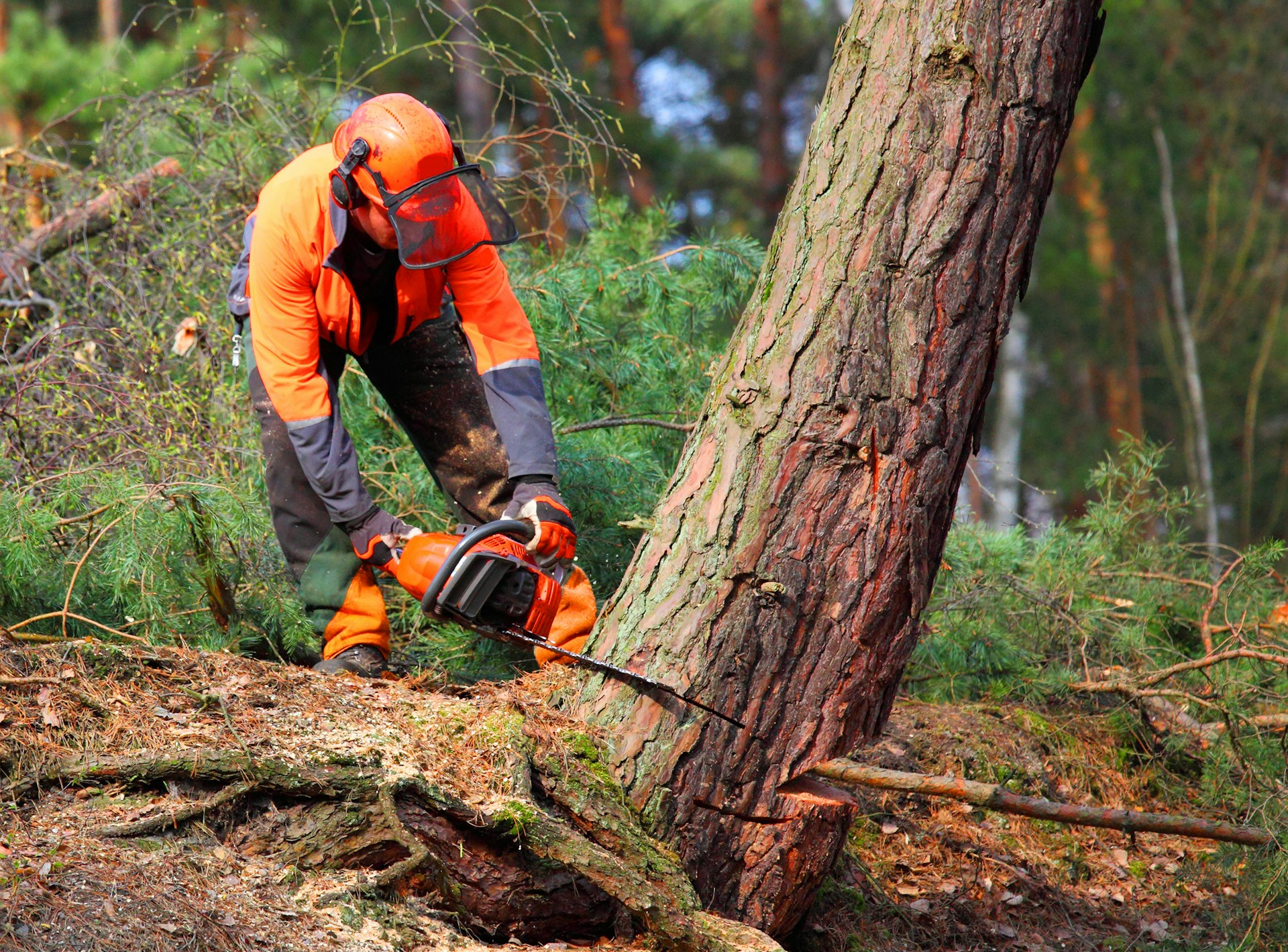
Inside Professional Tree Removal in Sioux City Backyards
Backyard tree removal in Sioux City sounds simple until you are staring up at a huge maple leaning toward your fence or watching branches sway over your neighbor’s garage during a windstorm. Many homeowners feel stuck between wanting the shade and worrying about safety. When roots start lifting patios, limbs hang over roofs, or a storm leaves a tree cracked and unstable, removal can be the safest choice.
In tight Sioux City neighborhoods, taking down a tree is not just about cutting it at the base. There are homes, garages, sheds, kids’ playsets, pets, and power lines to think about. Here we will walk through what really happens during professional tree removal in Sioux City backyards, why local conditions matter, how the process works, and what comes next for your yard once the tree is gone.
What Really Happens During Backyard Tree Removal
Many Sioux City backyards share a common scene: an older maple crowding the fence line, branches stretching over a garage, and roots buckling concrete. At first, the tree was small and pretty. Over time it grew into a real concern, especially when storms roll across the river and the wind picks up.
Professional removal often becomes necessary when you see things like:
• Storm damage, cracked trunks, or split limbs
• Dead or diseased branches dropping near kids or pets
• Trees growing into power lines or rubbing against roofs
• Roots breaking patios, driveways, or underground pipes
From the ground, taking out one tree can look easy. In reality, backyard removals in Sioux City are full of hidden challenges. There are property lines to respect, tight spaces to work within, and nearby fences and garages that cannot be damaged. Local weather, like sudden wind gusts and icy surfaces in winter, adds another layer of planning.
Tree work in this area also means understanding local species, soil, and typical yard layouts. Some trees are brittle, some are heavy and wet, and some have shallow roots that tip more easily. A good crew plans the job with all that in mind and often suggests winter or early spring as a smart time to remove risky trees before storm season hits and while the yard is less active.
Why Sioux City Backyards Need Special Tree Planning
Many Sioux City lots are not wide open fields. Backyards often have:
• Modest lot sizes with neighbors close by
• Sloped or uneven ground
• Older trees mixed with sheds, fences, and play areas
• Narrow side yards or alleys for equipment access
Common trees around Sioux City include maple, ash, cottonwood, and elm. Each one affects how we plan removal. Large maples and elms can have wide spreading tops that need to be taken down in many small pieces. Cottonwoods can be tall and fast-growing, with heavy, wet wood. Ash trees, especially if weakened, can become brittle and unpredictable.
Seasonal timing also matters. Mid to late winter has some benefits for removal work:
• Frozen or firm ground can reduce ruts in lawns from equipment
• No leaves means better visibility for branches and rigging
• Less active gardens and flower beds to work around
At the same time, ice and snow can make footing tricky, and branches may be slick. Crews have to adjust techniques and gear to stay safe and keep control of every cut.
Backyard tree removal in Sioux City also often involves careful planning around:
• Homes and garages
• Neighboring yards and fences
• Power lines and alleyways
• Possible permits or utility coordination
A skilled team looks at the whole setting, not just the tree, and works in a way that protects landscaping, lawns, and nearby structures while still moving efficiently in tight spaces.
Step-by-Step Look at Professional Tree Removal
Tree removal is not one quick cut. It is a planned series of steps built around safety and control.
Initial assessment and planning usually include:
• Checking the tree’s health, lean, and branch weight
• Looking for signs of internal decay or weak spots
• Noting power lines, sheds, playsets, and glass windows
• Considering underground utilities or septic systems
From there, a plan is made for drop zones, rigging points in the tree, and how equipment and workers will move around the yard. Each backyard in Sioux City is different, so the plan is tailored to that specific space.
Safe takedown in tight backyards often means sectional removal. Instead of felling the whole tree at once, climbers or bucket trucks are used to work from the top down. With ropes, harnesses, and rigging gear, limbs are cut and then lowered in a controlled way so they do not crash into fences or roofs.
During the removal:
• Climbers and ground crew stay in constant communication
• Work zones are marked so people and pets stay clear
• Heavy pieces are guided with ropes, not just dropped
• Crew members watch for changing wind or shifting weight
Once the trunk is down to a workable height, it is cut into sections and carried or moved with equipment to a staging area.
Cleanup, hauling, and what happens next matter just as much as the cutting. Typical cleanup includes:
• Feeding brush into a chipper
• Hauling off larger trunk sections
• Raking and blowing small debris from lawn and beds
• Sweeping driveways, sidewalks, or patios
Homeowners can often choose whether to keep some wood for firewood or have it all removed. Many also choose stump grinding, plus optional fill and yard prep, to get the space ready for new grass, shrubs, or another tree.
Safety, Insurance, and Hidden Risks Homeowners Overlook
From the ground, it is easy to underestimate what can go wrong with DIY tree removal. Common problems include:
• Misjudging where the tree or branch will fall
• Chainsaw kickback or loss of control
• Ladders tipping or slipping
• Branches snapping under tension and swinging in unexpected ways
Trees can look solid on the outside yet be rotten or hollow inside. A cut that seems harmless can cause a sudden shift in weight and a fast, dangerous movement. Even a smaller tree can punch through a roof, crush a fence, or cause serious injury if it drops the wrong way.
Professional crews use specific safety gear like helmets, eye and ear protection, chainsaw chaps, climbing saddles, and rated rigging equipment. Along with training and experience, proper insurance is a key protection for homeowners. General liability and worker’s compensation are there so that if something goes wrong, the homeowner is not left exposed.
Another big part of safety is protecting your yard and landscaping. Good crews plan:
• Ground protection mats where equipment might travel
• Brush staging piles that avoid flower beds and young trees
• Safe paths for carrying wood to avoid tearing up turf
In winter and early spring, firmer ground can help keep lawns from getting chewed up. Even then, careful planning and protection prevent long-lasting damage to your yard.
Beyond Removal: Stumps, Replanting, and Yard Recovery
Once the tree is gone, the stump is the next question. Stump grinding turns the stump and nearby surface roots into mulch. Grinding usually goes several inches below grade so you can plant grass or low plants over the area later.
Homeowners often choose stump removal because:
• Stumps are tripping hazards
• Mowers can be damaged on hidden roots
• Old stumps can attract pests or lead to unwanted regrowth
• They get in the way of new patios, sheds, or playsets
After grinding, you can either keep the wood chips or have them hauled away. The hole can be backfilled with soil and prepped for seed or sod so the area blends back into the lawn.
Tree removal also opens a new chapter for your yard. Many homeowners use this moment to think about long-term goals like:
• Getting more sunlight for gardens
• Creating safer play-space for kids
• Making room for patios, fire pits, or seating areas
• Planting a new tree in a better location
If you plan to replant, it helps to match tree size and species to Sioux City’s climate and typical lot sizes. Placing new trees away from homes, power lines, and hardscapes reduces the chance of future conflicts.
To avoid new problems down the road, regular trimming and pruning of remaining trees keeps them well shaped and reduces the chance of broken branches. Periodic professional inspections can catch pests, disease, or structural issues early, which protects both your trees and your property value.
How to Get Safe, Hassle-Free Tree Removal in Sioux City
Professional tree removal in Sioux City offers clear benefits: safer work, protection for homes and neighbors, careful planning for tight backyards, and thorough cleanup so you are not left with a mess. A thoughtful removal also sets the stage for healthier trees and better use of your outdoor space.
When you are gathering estimates, it helps to ask about:
• Proof of insurance and what it covers
• Experience working in tight residential backyards
• Types of equipment used for access and rigging
• How debris, wood, and stumps are handled
• Timeline and what “full cleanup” actually includes
Planning tree removal before windy spring storms arrive can give you more scheduling options and help prevent emergency situations. Removing one risky tree can open the door to a safer, more open backyard that is ready for gardens, family gatherings, and quiet summer evenings outside. Sioux City Tree Co. is here to walk you through each step of that process and help your yard recover and grow in a smart, safe way.
Protect Your Property With Safe, Professional Tree Care
If you are worried about a hazardous or failing tree, Sioux City Tree Co. is ready to help you make a safe, informed decision. Whether you need routine trimming or urgent tree removal in Sioux City, we bring the right equipment and experience to every job. Tell us what is going on with your trees and we will provide a clear plan and upfront pricing. If you are ready to schedule service or ask a question, contact us today.

Home | Get a Quote | Privacy Policy | Contact | Blog
©2024 Sioux City Tree Co® - All rights reserved.
Created by Showcase 712