
Tree Blog
Our Blog
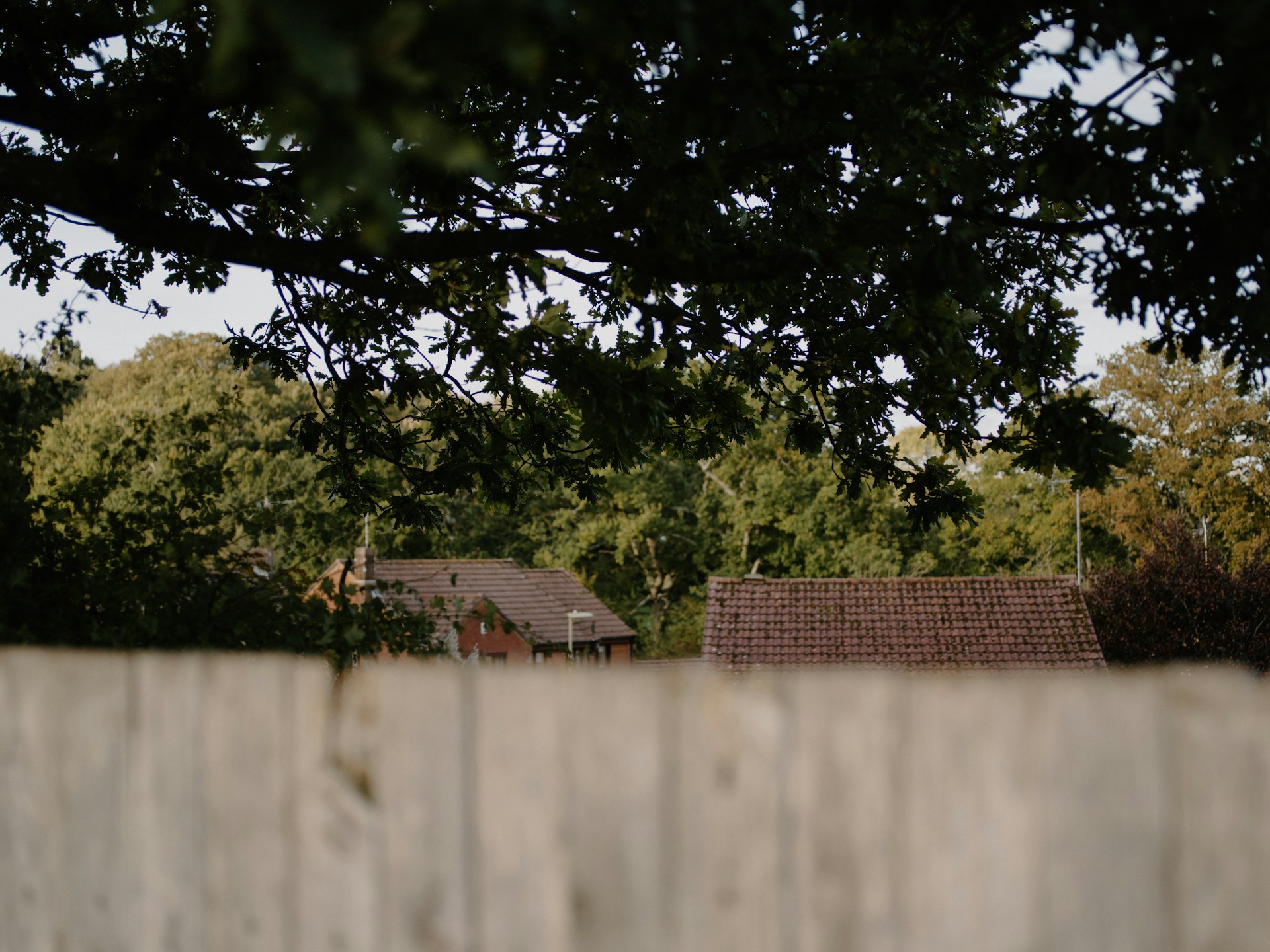
Neglected Trees in Sioux City That Quietly Threaten Your Roof
Hidden Roof Dangers Lurking Above Your Home
A tree can look green and healthy and still be bad news for your roof. When branches hang over your house year after year, they slowly wear away at shingles, trap moisture, and set your home up for expensive repairs. The scary part is that most of this damage happens quietly, long before you see a leak inside.
Here in Sioux City, our strong spring winds, heavy summer storms, and winter snow loads all push trees to their limits. Weak, overgrown, or dead limbs are the first to fail, and your roof is often directly in their path. Our goal with this guide is to help you spot those silent threats around your roofline and understand how smart, professional tree trimming in Sioux City can keep your home dry, safe, and strong for years to come.
How Neglected Trees Quietly Damage Your Roof
When a branch rests or rubs on your roof, it acts like sandpaper. Every breeze moves that limb back and forth, scratching off the gritty surface that protects your shingles from sun and rain. Over time, this can:
Strip protective granules from shingles
Break or crack shingle edges
Wear grooves into roofing material
Open small gaps where water can sneak in
That constant contact may not look serious from the yard, but up close it can shorten the life of your roof.
Untrimmed trees also change how water behaves on your home. A dense canopy drops leaves, needles, seeds, and twigs right onto your roof. When that debris piles up, it holds water like a sponge. That lingering moisture can:
Encourage moss and algae to grow
Soften and rot wood decking under the shingles
Break down underlayment and flashing
Lead to slow leaks that show up as stains or peeling paint inside
Another problem hides inside the tree itself. Dead, cracked, or weak branches can look harmless until we get one of those strong May thunderstorms. High winds or heavy rain can snap a limb and send it crashing onto your roof, gutters, or even through attic spaces. What looked like a healthy tree from the ground might be full of internal stress you cannot see without training and the right equipment.
Sioux City Tree Risks Before Summer Storm Season
Sioux City weather keeps trees on their toes. Late spring often brings a mix of high winds, pounding rain, and sometimes hail. When trees are overgrown or neglected, this kind of weather turns them into a real hazard right above your home.
Here is how local conditions work against you:
Strong winds catch tall, unbalanced canopies
Heavy rain adds weight to already stressed limbs
Hail can weaken bark and small branches
Wet leaves and debris slide into roof valleys and gutters
In older neighborhoods, many homes sit close to large, mature trees. That gives you great shade, but it also means big trunks and heavy branches are closer to roofs and siding. When the ground gets saturated, roots can lose their solid grip. You might see a slow lean develop, or roots start to lift sidewalks, driveways, or soil. Both signs point to a tree that could shift more in a storm.
Spring is usually the best time to get ahead of these problems. Before summer foliage fills in, it is easier to see branch structure, deadwood, and overhang above the roof. Trimming early also means tree wounds have a better chance to dry and seal properly before hot, humid weather arrives. Taking care of weight and clearance issues before the peak storm season helps lower your risk all year.
Warning Signs Your Trees Are Threatening Your Roof
You do not have to climb a ladder to spot many warning signs. A simple walk around your yard, while you look up at the roofline, can tell you a lot.
Watch for these roofline red flags:
Branches hanging over or actually touching shingles
Leaves, needles, or twigs piling up in roof valleys
Gutters that are always full or overflowing with debris
A canopy that droops or sags over one side of the house
Tree health also matters. A weak tree can still be full of green leaves, so you want to notice the details:
Bark that is cracked, peeling, or missing in patches
Dead branches that stay bare while others leaf out
Fungal growth at the base or on large roots
Limbs with deep splits where they join the trunk
From the ground, take a slow look at the base and the way the tree stands. Ground-level clues include:
A trunk that leans toward your house more than it used to
Soil that looks heaved or cracked around the base
Surface roots that are pushing up sidewalks, patios, or driveways
A tree that sways more than nearby trees in the same wind
Any of these signs mean the tree’s stability, and your roof’s safety, could be at risk. That is when a professional eye becomes very important.
Why Professional Tree Trimming Protects Roofs and Budgets
Tree trimming near a roof is not a simple yard chore. It involves heavy wood, heights, and a lot of weight hanging over your biggest investment. Professional crews know how to remove branches in stages, control where they fall, and avoid sudden shocks to the tree.
Skilled trimming focuses on:
Reducing heavy weight above the house
Creating safe clearance between limbs and shingles
Removing dead or weak branches before they fail
Shaping the canopy so wind can pass through more easily
Good cuts matter. Bad trimming can leave stubs that rot, open large wounds that do not seal well, or unbalance the tree so it is more likely to fail later. Proper technique keeps both your home and your trees safer over time.
From a budget point of view, regular care is almost always easier to handle than surprise damage. When trees are kept in check, you are less likely to face:
Emergency roof repairs after a branch falls
Interior water damage to ceilings, walls, and insulation
Full tree removals when neglect allows problems to grow
Healthy trees and a protected roof also support long-term property value. A home with tidy, well-spaced trees looks cared for. Insurers often prefer properties where obvious hazards, like heavy limbs over a roof, have been reduced. A steady routine of professional tree trimming in Sioux City can help you avoid the stress and cost of last-minute fixes.
Your Next Steps to Protect Your Roof This Season
A simple yard walk can be a powerful first step. On a clear, dry day, stand back where you can see your whole roofline and slowly circle your home. As you go, you can:
Note any branches that hang over or touch the roof
Look for dead or bare limbs mixed in with green ones
Check for leaning trunks or cracked soil at the base
Take photos from a few angles to compare over time
If you see branches over the house, near power lines, or larger than you could safely move on your own, it is time to bring in a professional tree service. Working near roofs and wires is dangerous without the right gear and training, and dropping a large limb in the wrong spot can cause more damage than the trimming was meant to prevent.
At Sioux City Tree Co., we help homeowners spot these hidden threats and deal with them before storms do the job for you. A thoughtful look at your trees now can protect your roof, your family, and your peace of mind for many seasons to come.
Protect Your Trees And Boost Curb Appeal Today
If your trees are looking overgrown or unhealthy, now is the right time to schedule professional tree trimming in Sioux City. At Sioux City Tree Co., we carefully shape and maintain your trees so they stay strong, safe, and attractive year round. We will assess your property, explain your options, and provide straightforward recommendations. If you are ready to get started or have questions about your trees, contact us today.

Home | Get a Quote | Privacy Policy | Contact | Blog
©2024 Sioux City Tree Co® - All rights reserved.
Created by Showcase 712