
Tree Blog
Our Blog
Overgrown Trees and Your Home Insurance in Sioux City
Overgrown trees can be a quiet threat to your home and your insurance policy. Many Sioux City homeowners worry about storm damage, surprise claim denials, and sudden premium jumps, but they do not always connect those problems to the trees in their yard. When branches hang low over your roof or a big tree leans toward the house, that can look like an accident waiting to happen to an insurance company.
Those trees are not just a yard issue; they can become an unseen liability. Insurers pay close attention to anything that raises the chance of damage, and neglected trees are high on that list. Regular, professional tree trimming in Sioux City helps protect your property, lower risk, and keep things smoother if you ever need to file a claim. Spring growth and coming storms make this a smart time to look up at your trees and decide what needs to be done before the next round of wind and heavy weather hits.
How Insurers See Overgrown Trees Around Your Home
When we say a tree is “overgrown,” we are not just talking about it looking a little wild or shaggy. From an insurance point of view, overgrown means the tree has grown into spots where it can cause damage or shows signs of being unsafe. Warning signs include:
Large branches hanging over your roof or garage
Trees leaning toward your home, shed, or neighbor’s property
Limbs close to power lines or service drops
Heavy deadwood stuck high in the canopy
Trees with visible disease, bare patches, or broken tops
Insurance companies worry about what happens when strong wind, ice, or storms hit these trees. Their main concerns are:
Roof damage from falling limbs
Broken windows and damaged siding
Structural damage if a big trunk or main limb hits the house
Liability if your tree falls on a neighbor’s fence, car, or roof
Many policies cover sudden, accidental tree damage, especially from strong storms. But if an adjuster decides the tree was clearly unsafe for a long time, they may argue that part of the loss was preventable. In a place like Sioux City, where high winds, heavy snow, and strong thunderstorms are common, unmanaged trees stand out to underwriters and adjusters even more. A healthy, well-maintained tree is one thing. A tall, rotting tree over your roof is another story.
When Your Tree Becomes an Insurance Problem
A tree usually does not become an insurance problem overnight. There are often warning signs that show up long before a major break or fall. Homeowners often notice things like:
Soft, crumbly wood or large hollow spots
Big cracks where main branches meet the trunk
Mushrooms or fungus growing around the base
Roots lifting sidewalks, driveways, or patios
Branches scraping the roof, gutters, or siding
If these signs are clear and nothing is done, it can work against you later. Some situations that can cause issues with a claim include:
Ignoring recommendations from a tree professional to trim or remove a risky tree
Having repeated small branch damage from the same tree over your roof or driveway
Obvious hazards that were visible in old photos, inspections, or past reports
When an adjuster visits after a storm, they are not just looking at the damage. They are asking, “Was this sudden, or was this ongoing neglect?” If they see long-term decay, years of scraping branches, or heavy dead limbs that should have been trimmed, they may label part of the loss as “preventable.” That can mean delays, lower payouts, or claim disputes. On the other hand, if you can show that you have been getting regular tree trimming in Sioux City and have records or photos of that work, it can support your side of the story.
How Pro Tree Trimming in Sioux City Protects Your Policy
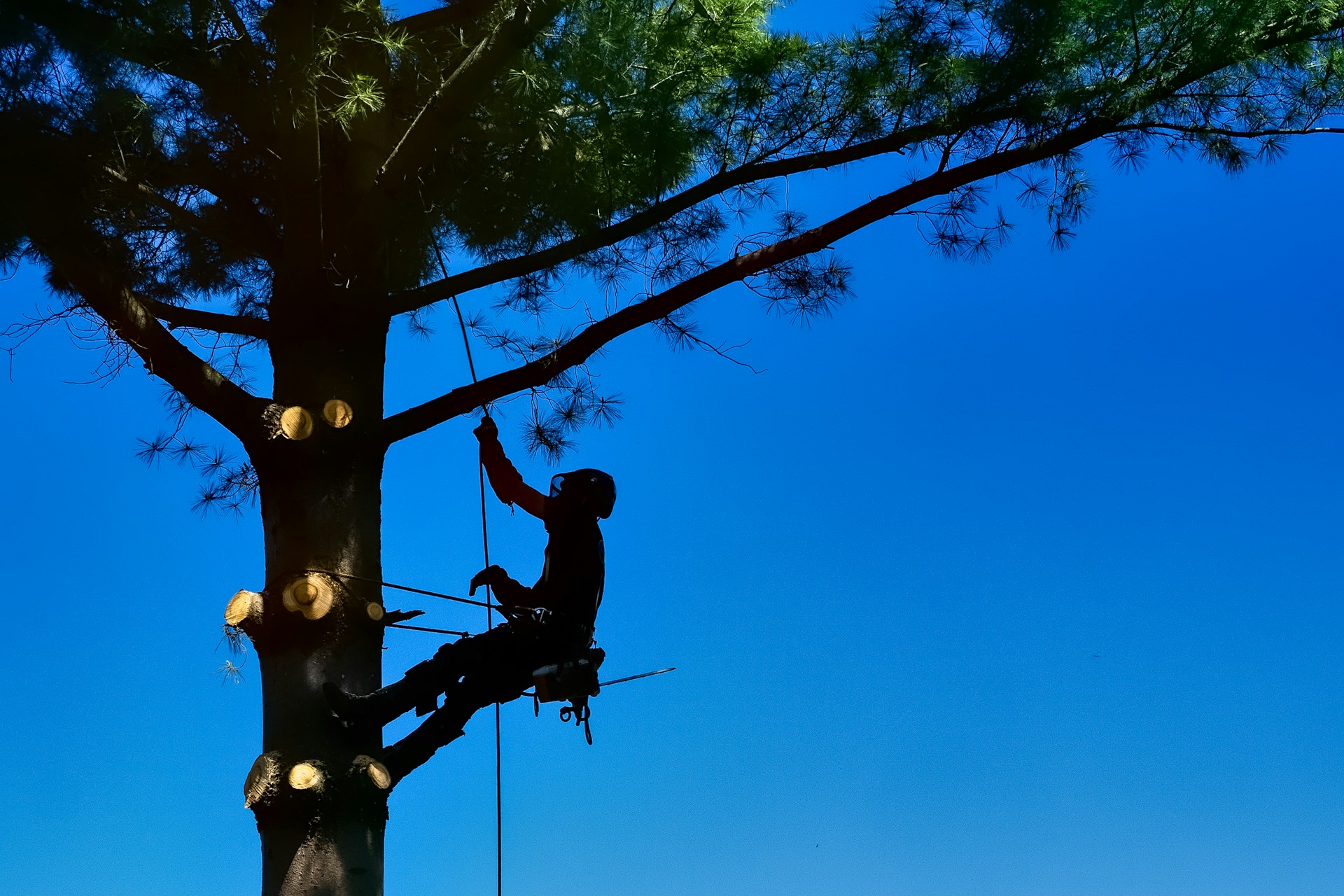
There is a big difference between light DIY clipping and professional tree work. Cutting a few small twigs away from a sidewalk is one thing. Handling large limbs over your roof or a tall tree near a power line is another. Trained crews know how to:
Spot hidden structural issues in the trunk and main branches
Identify signs of disease or decay before big pieces start dropping
Plan safe cuts so the tree stays balanced and stable
Work around homes, fences, and driveways without causing damage
Strategic trimming lowers risk in ways that matter to insurers. This includes:
Removing heavy limbs that hang over roofs, driveways, or play areas
Thinning dense canopies so wind can pass through more easily
Cutting branches back from siding, gutters, and windows
Reducing weak or crossing branches that can snap under weight
Regular care means fewer panicked calls after a storm and less chance of roof, fence, or vehicle damage. It also builds a simple record that you are being responsible with your trees. Spring is a helpful time to plan work because growth is starting, the worst of winter is past, and strong storms are on their way. Taking care of problems now can help protect both your property and your insurance standing.
Smart Tree Maintenance Steps Before Storm Season
Before the next round of big storms, it helps to walk your property with fresh eyes. Move slowly and really look up, around, and down at each tree. Ask yourself:
Are there branches hanging over my roof, garage, or driveway?
Do any limbs touch or almost touch windows, gutters, or siding?
Do I see dead, broken, or hanging branches high in the tree?
Are there signs of rot, fungus, or peeling bark at the base?
If you spot problems, it is usually best to bring in professionals instead of trying to handle it on your own. It is time to call the pros when:
Trees are tall or close to buildings or fences
Branches are near or above power lines
The tree looks sick, unstable, or partly uprooted
Any work would require climbing, rigging, or a chainsaw off the ground
You can also ask a local tree company to help set a safe trimming schedule, especially for fast growing trees common in this area. Keeping simple notes about what was done and when, along with a few photos, creates informal documentation that shows you are staying on top of tree care and risk reduction.
Talk with Your Insurer Before the Next Big Storm
It is also smart to understand what your insurance policy says about trees before you ever need to file a claim. Take time to read the sections about:
Damage from falling trees and branches
Debris removal from your yard and structures
Damage to neighboring property caused by your trees
If anything is unclear, you can call your agent and ask specific questions, such as:
How do you view neglected or obviously unsafe trees?
Can regular tree trimming in Sioux City help how you see my risk level?
What kind of tree maintenance records should I keep?
You can also ask if your insurer has any written suggestions about tree care or risk reduction. Clear communication between you, your insurer, and a trusted tree care company cuts down on surprises. When strong winds hit and you need to file a claim, it is much better if everyone already understands the work you have done to protect your home and your policy.
Protect Your Home and Policy with Proactive Tree Care
Overgrown trees are more than a curb appeal problem. They are a real factor in home safety, storm damage, and how smoothly insurance claims might go. Taking them seriously now can prevent a lot of stress later, both with your house and with your coverage. With thoughtful, regular care, your trees can stay a benefit to your yard instead of becoming a risk on your roof.
At Sioux City Tree Co., we help homeowners spot trouble early, trim or remove risk-prone trees, and prepare for rough weather before it hits. When you invest time in proactive tree care, you are really investing in a safer property, fewer emergency surprises, and a stronger position if you ever need to call on your home insurance to help you recover from a storm.
Protect Your Trees And Your Property With Expert Care
If your trees are starting to look overgrown, unsafe, or unhealthy, now is the time to schedule professional care. At Sioux City Tree Co., we provide precise tree trimming in Sioux City that helps improve safety, curb appeal, and long-term tree health. We will assess your trees, explain your options, and complete the work with respect for your yard and neighbors. To request a quote or book a visit, contact us today.

Home | Get a Quote | Privacy Policy | Contact | Blog
©2024 Sioux City Tree Co® - All rights reserved.
Created by Showcase 712