
Tree Blog
Our Blog
What a Tree Pruning Company Checks Before Winter
Keep Winter Storm Damage Away From Your Home
Winter weather can turn a small tree issue into a major property problem. In Sioux City, snow, ice, freezing temperatures, and strong winds can put extra pressure on branches, trunks, and roots. A pre-winter inspection helps us spot concerns before storm conditions make them harder, riskier, and more urgent to address.
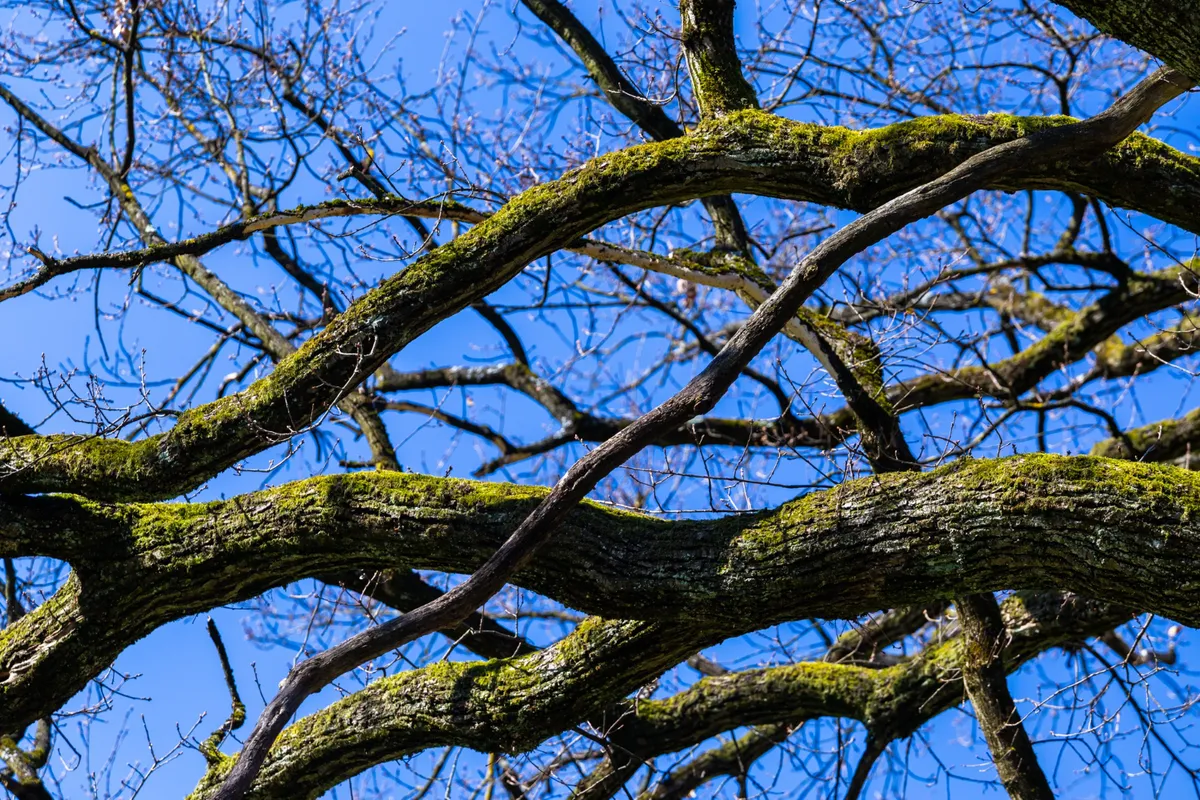
Late fall is a helpful time to look at many deciduous trees because their leaves have dropped. Without thick foliage hiding the crown, we can better see weak limbs, crowded branches, damaged areas, and uneven growth. You may also get a clearer view of branches hanging over your roof, driveway, sidewalk, or other busy areas.
Pruning is about much more than making a tree look tidy. As a tree pruning company, we focus on reducing hazards, supporting long-term tree health, and helping trees better handle winter weather. Each tree needs its own assessment, especially mature trees growing close to homes, driveways, walkways, and utility lines.
A Tree Pruning Company Finds Unsafe Limbs
One of the first things we look for is a branch that could fail when snow and ice add weight. Dead, broken, hanging, or badly damaged limbs can fall with little warning during a storm. Removing or reducing a problem branch before winter may help protect the areas below it.
Some warning signs are easy to see, while others take a closer look. A limb may appear solid from the ground but have internal decay, a weak attachment point, or hidden cracking near the trunk. During an inspection, we watch for signs such as:
Bare or dead limbs on an otherwise healthy tree
Cracks, splits, loose bark, or broken branch stubs
Fungal growth on branches or near the trunk
Storm damage left behind from summer wind or lightning
Limbs that are hanging, rubbing, or resting on other branches
Branch shape matters, too. Overextended limbs can act like long levers in high winds. Rubbing branches can wear away protective bark, while narrow branch angles and included bark can create weak unions. Included bark forms when bark gets trapped between two stems, preventing them from joining as strongly as they should.
Not every questionable limb needs to be fully removed. Depending on its size, condition, location, and role in the canopy, we may recommend removal, selective reduction, or continued monitoring. The goal is to manage risk without taking away more of the tree than necessary. Large elevated branches and limbs near utility lines should always be left to trained professionals.
Canopy Structure Predicts Winter Breakage
A tree’s canopy is its whole network of branches, not just one limb at a time. When the canopy is crowded or uneven, snow and ice can collect in places that put too much weight on weak connections. Strong wind can also push against dense growth, increasing strain throughout the crown.
Selective pruning may help open a packed canopy enough to improve airflow and reduce excess weight on closely grouped branches. This does not mean stripping out large amounts of healthy growth. Removing too much foliage can create health problems and leave limbs more exposed to sun and weather. Good pruning respects the tree’s natural form while addressing the branches that present the greatest concern.
Competing leaders are another issue we check. Some trees develop two or more large upright stems that are similar in size. These are often called co-dominant stems. When they have a tight attachment angle, they can be more likely to split under the pressure of ice or wind.
Crown balance also plays a part in winter readiness. A tree may grow heavier on one side as it reaches toward sunlight, away from a building, or around old pruning cuts. By identifying uneven weight, we can determine whether carefully placed pruning may reduce leverage on major limbs and lower the chance of breakage.
Clearance and Tree Health Checks
The location of each branch matters just as much as its condition. A limb in an open corner of the yard may not create much concern, but that same limb becomes more serious when it hangs over a roof, driveway, sidewalk, entryway, or parked vehicle.
Roof clearance is a common part of a winter inspection. Branches that touch or hang over roofing can scrape shingles, drop twigs into gutters, and break onto the structure during an ice storm. Proper clearance can help reduce those problems while keeping the tree looking natural.
We also consider the paths people use every day. Low, weak, or overhanging limbs can block access after a storm and create hazards for people walking beneath them. This is especially important around driveways, sidewalks, entrances, rental properties, and places where deliveries or visitors are common.
Branches near power lines deserve extra caution. Homeowners should never attempt to prune around energized lines. If you notice limbs growing into or near utility lines, the utility provider or a qualified tree care professional can help determine the safest next step.
Winter preparedness also includes checking the tree’s overall health. Problems inside the trunk, around the roots, or beneath the bark can weaken a tree long before a branch falls. Signs worth evaluating include:
Mushrooms or fungal growth near the tree base
Cavities, peeling bark, cracks, or oozing sap
Dead sections within an otherwise full canopy
Leaning, exposed roots, or shifting soil around the trunk
Damage from construction or changes around the root zone
These signs do not always mean a tree needs removal. In some cases, targeted pruning and monitoring may be appropriate. In other cases, decay, root damage, or trunk weakness may create a serious concern near a home or neighboring property. Acting early often gives you more options than waiting for a winter emergency.
A Winter-Ready Assessment Starts with Awareness
After leaves have fallen, take a careful walk around your property and look up from a safe distance. Notice hanging branches, crowded growth, roof contact, visible cracks, dead sections, and limbs over driveways or walkways. If something looks questionable, it is wise to have it evaluated before ice and wind arrive.
A thoughtful inspection can help you understand which trees need attention now, which ones simply need monitoring, and where winter weather may expose a hidden weakness. Preparing ahead of severe weather supports safer access around your property and helps you enter the colder months with greater confidence in the trees overhead.
Protect Your Trees Before Winter Arrives
Sioux City Tree Co. provides careful seasonal care tailored to your property’s trees and their condition. Work with a tree pruning company to address overgrowth, weak limbs, and clearance concerns before winter weather sets in. Contact us to discuss your pruning needs and schedule service.

(605) 690-5077 | siouxcitytreeco@gmail.com
3311 S Clinton St, Sioux City, IA
Home | Get a Quote | Privacy Policy | Terms of Service | Contact | Blog
© 2026 Sioux City Tree Co. - All rights reserved.
Created by Showcase 712