
Tree Blog
Our Blog
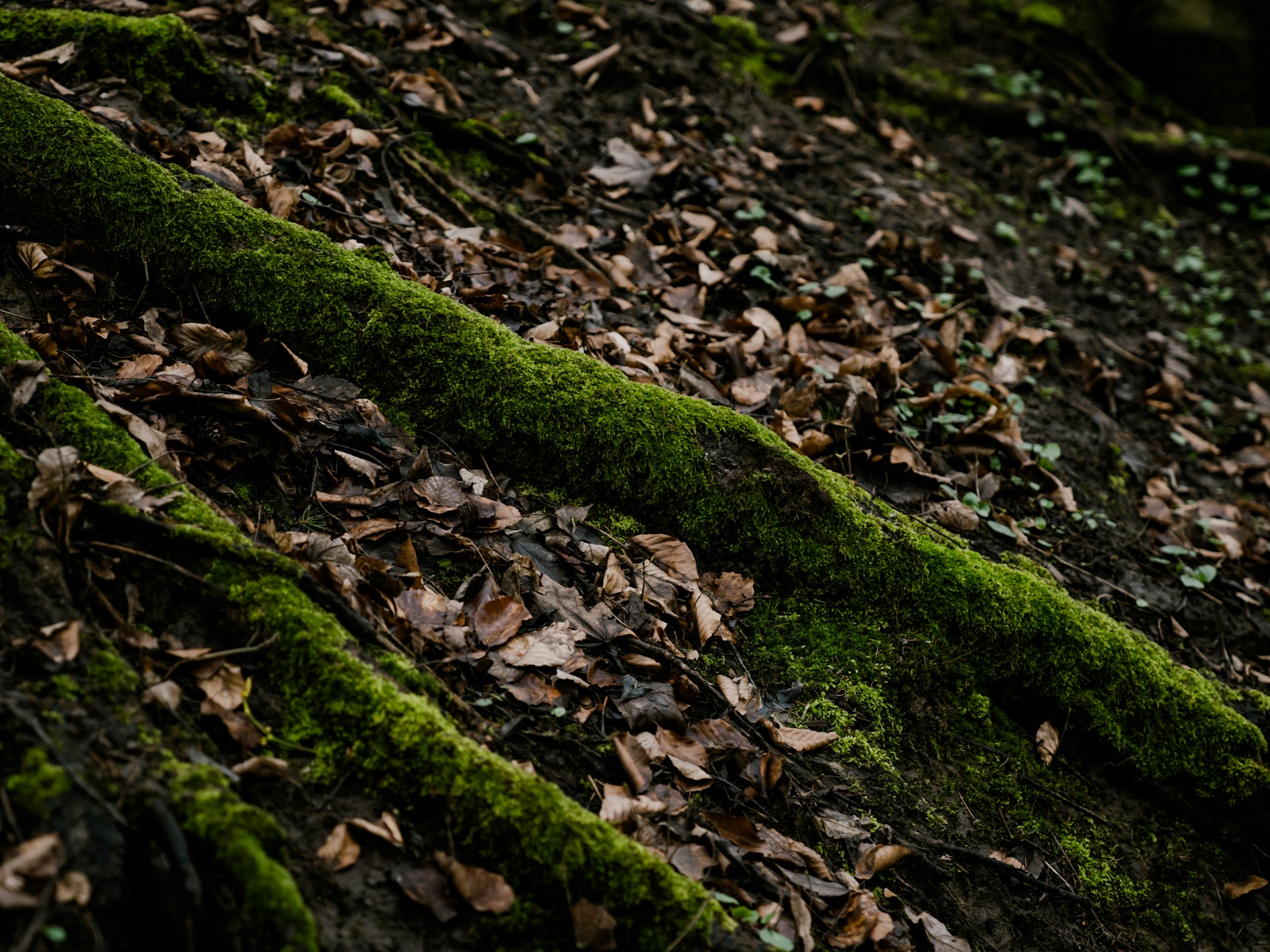
What Tree Roots Do Underground in Sioux City Yards
What Your Trees Are Hiding Beneath the Grass
The part of your tree you see is only half the story. The real work that keeps it standing tall in your Sioux City yard happens underground, in the root system you never see. Roots decide how healthy, stable, and safe a tree will be, much more than the branches or leaves.
Around Sioux City, our clay-heavy soils, river influence, and weather swings shape how roots behave. Wet springs, hot, dry late summers, and harsh winters all push roots to grow, slow down, or struggle. When you understand what is going on under the grass, you can make better choices about planting, watering, mowing, and when to get a tree health assessment in Sioux City.
When you know what your tree is doing below ground, you are less likely to deal with surprise tree failures, root damage to your lawn, or sudden decline. You can spot early warning signs, protect your yard, and help your trees live longer and safer.
How Tree Roots Really Grow Under Sioux City Lawns
Most people think roots grow straight down, like a giant carrot. That is not how it works. Most tree roots grow outward, not deep, and they stay close to the surface where the air, water, and nutrients are.
Here is what is happening under a typical Sioux City lawn:
Most roots grow in the top 12 to 18 inches of soil
Roots can spread 2 to 3 times wider than the branches above
In heavy clay or compacted soil, roots sit even closer to the surface
So that big shade tree by your driveway has roots reaching well under the grass, out past the canopy, and sometimes under sidewalks and patios.
Roots also have different jobs:
Structural roots: These thick roots near the trunk anchor the tree. They help keep it upright in wind, but they can also push on sidewalks, curbs, and sometimes shallow foundations.
Fine feeder roots: These tiny roots grow farther out from the trunk. They collect water and nutrients. They are very easy to damage by digging, trenching, mowing too low, or adding new irrigation.
Transport roots: These medium and large roots move water and nutrients from the feeder roots back to the trunk and canopy. If you cut these, the whole section of tree above can decline.
In Sioux City yards, clay soil and yard traffic make a big difference. When kids, pets, and vehicles pass over the same spots, the soil gets packed tight. Compacted clay does not let air or water move well, so roots creep even closer to the surface. That is when you start seeing:
Exposed surface roots
Trip hazards around big trees
Roots getting nicked by mower blades and string trimmers
Once roots are damaged, the tree has to work harder to stay healthy, and the risk of problems goes up.
What Sioux City Roots Do All Year Long
Roots do not act the same in every season. Even when the tree looks quiet above ground, there is a lot going on below.
In spring, after snowmelt, soil starts to warm and the rains usually pick up. Roots respond with a big growth push. Fine feeder roots form fast to grab nutrients and water. This helps power new leaves, flowers, and early-season growth. If the root zone is compacted or waterlogged at this time, the tree starts the year already stressed.
During late summer, especially around August, our heat and dry spells put trees under stress. When the topsoil dries out, trees slow root growth and try to conserve energy. Deeper roots reach for whatever moisture is left. Some shallow roots can die back. That is when trees are more open to:
Drought stress
Insect problems
Early leaf drop or scorched leaf edges
Good watering habits during this time make a big difference in how well the roots cope.
Fall is a quiet but important period underground. After leaves start to change and drop, roots often keep growing while the soil is still warm. The tree stores energy, water, and nutrients in the roots to make it through winter and get a strong start next spring.
In winter, when the soil is frozen or fully saturated, root growth nearly stops. Roots still slowly respire, but they are mostly holding steady. In Sioux City, freeze and thaw cycles can crack or heave shallow soil, which can injure roots near sidewalks, streets, or driveways. Trees that already have weak root systems feel this the most.
Hidden Root Problems That Put Sioux City Trees at Risk
Root problems usually show up above ground first, but the trouble started below. Learning the warning signs can help you act before a tree becomes unsafe.
Common signs of root trouble include:
Thinning canopy or bare spots at the top
Small, yellowing, or off-color leaves
Dead branches in the upper crown
A leaning trunk or fresh tilt after a storm
Soil lifting or cracking at the base of the tree
Mushrooms or fungal growth around the root zone
Underground, several issues are common in our area:
Girdling roots: Roots that wrap around the trunk below the soil line and slowly choke it. This often comes from improper planting depth or very compacted soil.
Root rot: In low spots or areas with poor drainage, roots sit in water too long and begin to decay. Overwatering a lawn can add to the problem.
Construction and digging damage: Trenching for utilities, installing irrigation, building patios, or driving heavy equipment over the yard can cut or crush major roots.
There are times when getting a professional tree health assessment in Sioux City is especially important, such as:
After strong storms that cause swaying, cracking sounds, or a new lean
Before major building projects, new driveways, or utility work near trees
When a tree suddenly declines over one or two growing seasons
When a large tree stands close to a house, garage, sidewalk, or power lines
Protecting Roots From Lawnmowers, Sprinklers, and Shovels
Most root damage in yards comes from regular care that is just a little too close or a little too frequent. Small changes in how you treat the ground under your trees can offer a lot of protection.
Smarter lawn care over root zones includes:
Avoiding mowing too short over surface roots
Slowing down around bumpy areas so mower blades do not hit roots
Keeping string trimmers away from the trunk, because repeated hits can injure the bark and root collar
Better watering habits help roots reach deeper, stronger soil layers:
Water less often, but for longer periods so moisture soaks down deeper
Focus watering under and just beyond the canopy edge, where feeder roots are most active
Adjust irrigation during late summer dry spells, avoiding quick daily sprays that keep roots shallow and weak
Root-safe landscaping and projects can lower stress on your trees:
Use mulch rings around trees instead of rock or fabric right against the trunk
Keep mulch a few inches away from the bark and only a thin layer deep
Plan fences, patios, and new beds to avoid cutting large roots
Get professional advice before digging near mature trees or removing soil around the base
When to Call for a Root Checkup
There are times when a closer look at the root system is worth it for safety and peace of mind. Warning signs include:
A tree that sways a lot in normal wind
New leaning or soil mounded on one side of the trunk
Sidewalks, driveways, or patios lifting near a tree
Repeated dry spots, dead grass, or soggy patches around the same tree
Any sudden change in foliage density, color, or timing of leaf drop
A professional tree health assessment in Sioux City typically includes:
A visual check of the trunk flare, root collar, and soil grade
Looking for girdling roots, decay, damage, or poor planting depth
Reviewing past injury from construction, storms, or improper pruning
Evaluating how close the tree is to people, buildings, and power lines
Recommending pruning, soil improvement, root zone protection, or removal if safety is at risk
At Sioux City Tree Co., we spend a lot of time studying what your trees are doing underground, not just what you see from the porch. When roots are understood and protected, your trees are safer, your lawn is easier to care for, and your whole property benefits.
Protect Your Trees With a Professional Health Assessment Today
Healthy trees add value, beauty, and safety to your property, and we are here to help you protect that investment. If you are noticing changes in your trees or simply want peace of mind, schedule a comprehensive tree health assessment in Sioux City with Sioux City Tree Co. Our team will identify issues early and recommend clear, practical solutions tailored to your landscape. Have questions or prefer to speak with someone first? Just contact us to get started.

Home | Get a Quote | Privacy Policy | Terms of Service | Contact | Blog
©2024 Sioux City Tree Co® - All rights reserved.
Created by Showcase 712