
Tree Blog
Our Blog
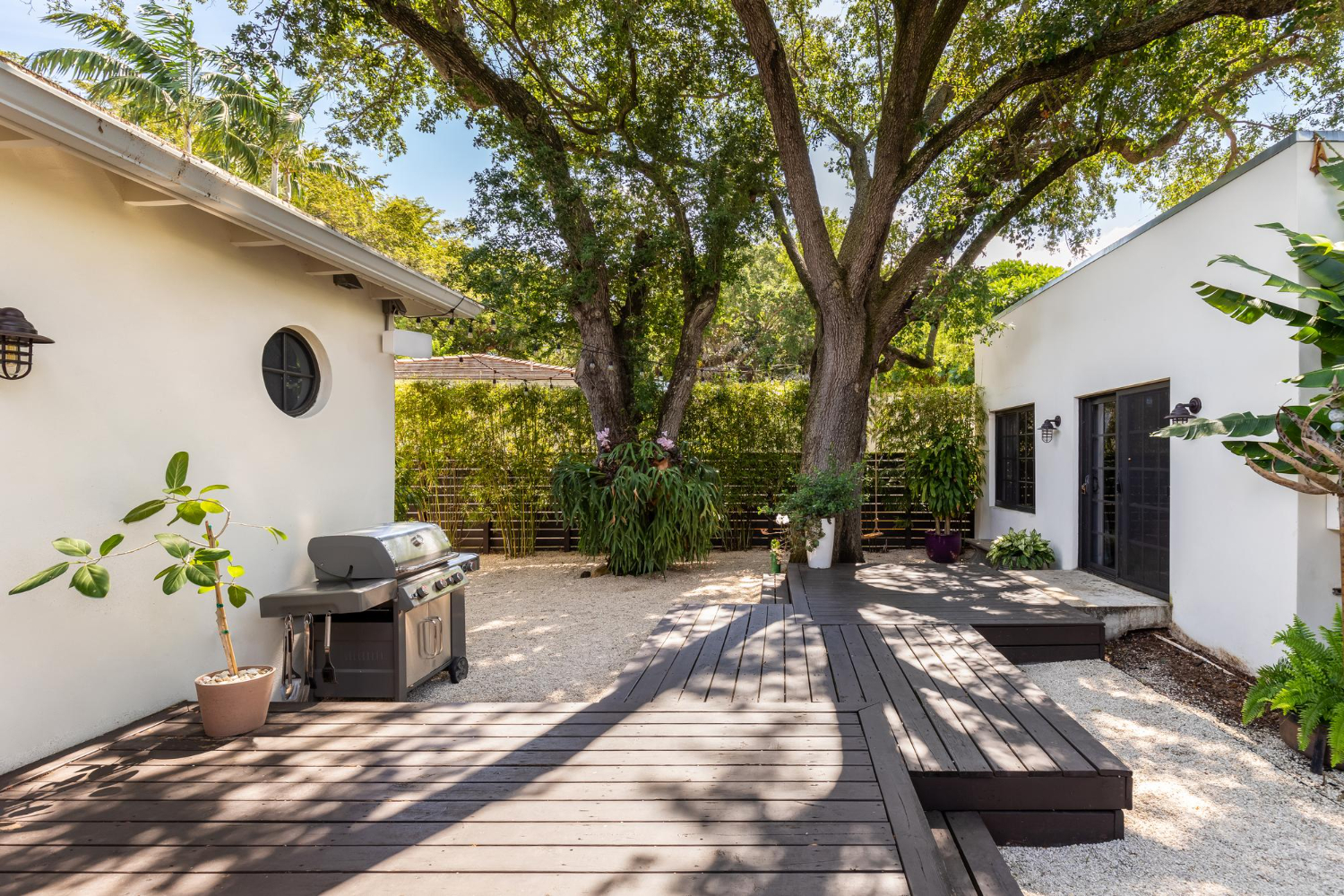
When Backyard Tree Roots Demand Professional Removal
When Hidden Tree Roots Become a Serious Problem
Tree roots can cause big trouble in a quiet backyard long before you notice anything above ground. One day the patio feels uneven, the next week a corner of the sidewalk is lifted, and by the end of the season, a garden bed is a tangled mess of roots. Problems like these are common around Sioux City, where mature shade trees share tight space with driveways, fences, and foundations.
What many homeowners do not realize is that roots often reach two to three times farther than the canopy. They spread wide and shallow, searching for water, oxygen, and loose soil. That means a tree near the back fence can quietly push roots under patios, sewer lines, and even toward your home. We want to help you recognize when those hidden roots have gone from normal growth to a real hazard that calls for a professional tree removal service instead of a risky DIY fix.
Warning Signs Your Backyard Tree Is Becoming Dangerous
Backyard roots do not turn into a problem overnight, but they leave clues. If you know what to look for, you can catch trouble before it turns into a big repair bill or a safety risk.
Surface and structural damage often show up first, such as:
Raised or cracked sidewalks that catch the toe of your shoe
Patio stones that rock when you step on them
Gaps where the driveway meets the garage floor
Fence posts that lean or heave out of line
These issues are more than ugly. Raised concrete and uneven surfaces become trip hazards, especially when Siouxland ice, snow, and freeze-thaw cycles hit. Roots can also press against foundations or retaining walls, creating cracks or letting water seep in. If you see gaps along the base of your home, or a fence that suddenly leans near a tree, roots may be pushing more than you think.
Tree health is another big warning sign. Watch for:
Large dead branches high in the crown
A thinning canopy with fewer leaves each year
Bark peeling away or deep cracks along the trunk
Mushrooms or soft, spongy wood at the base
These can point to root problems below ground. When roots rot or lose strength, the tree struggles to feed itself. After heavy rain or late summer storms, you might notice the whole tree tilting, or the soil at the base lifting into a mound. That root plate movement is a serious sign the tree could fail.
Roots also affect yards and utility systems. Some clues include:
Frequent sewer backups or slow drains that keep returning
Wet, soggy spots in the yard even when it has not rained recently
Standing water where water used to drain away
Areas where grass will not grow because roots dominate the soil
In many older neighborhoods, roots look for tiny cracks in sewer or water lines and grow right inside them. This can lead to repeated plumbing calls and yard damage. Roots can also block natural drainage routes, so water pools against your foundation or across walkways.
When DIY Root Cutting Becomes a Risky Gamble
When roots start causing trouble, it is tempting to grab a shovel or saw and start cutting. From the outside, it may look like a simple fix: remove the problem root and be done. Sadly, it rarely works out that cleanly.
Cutting major roots can affect tree stability. Those thick roots near the base do two big jobs: They anchor the tree, and they carry a lot of water and nutrients. When you remove or weaken them:
The tree can become unstable in wind, snow, or heavy rain
The root plate may shift, and the tree could lean over time
Decay can enter at the cut site and spread into the trunk
A tree might look fine right after DIY cutting, then fail months later when the soil is wet or when a winter storm rolls through. That delayed failure can surprise people and cause serious damage to homes, vehicles, and nearby structures.
There are also safety hazards for anyone trying to handle this on their own. Working near roots often means:
Using chainsaws or power tools in cramped, awkward spots
Hitting hidden rocks, scrap metal, or old construction debris
Losing control of a saw when it pinches or kicks back
Digging into the path of buried utilities
Gas, electric, water, and cable lines may run exactly where those roots are growing. Without proper locating and planning, one wrong cut can lead to injury, service outages, or worse.
Legal and property issues can show up as well. Many neighborhoods and city codes have rules about tree removal, trimming, and property lines. If roots from your tree damage a neighbor’s driveway, fence, or patio, cutting the tree or roots without a clear plan can trigger disputes. It can also make insurance questions harder to sort out later.
Why Professional Tree Removal Service Is Often the Smart Call
When roots are causing serious problems, bringing in a professional tree removal service can protect both your property and your peace of mind. A trained crew can look at more than just the visible damage and give you a bigger-picture view.
One of the main benefits is expert assessment. A professional will:
Check the tree’s overall health, trunk, and canopy
Look for signs of root plate movement or decay at the base
Consider how close the tree is to your home, garage, and utilities
Explain the real risk of leaving the tree versus removing it
Having that kind of documented opinion can be helpful for your own records and when you talk with insurance or neighbors about damage and repairs.
Professional crews also have the right equipment for tight Sioux City backyards. That might include:
Bucket trucks or cranes to reach high branches safely
Rigging systems to lower limbs away from roofs and fences
Stump grinders to remove the base and major roots
Protective mats to shield lawns and garden beds
Instead of dropping the whole tree at once, they remove it in controlled sections. This helps protect sheds, decks, playsets, and nearby trees from sudden impact or broken branches. Careful planning also reduces soil compaction and rutting from heavy trucks.
In the long run, a well-planned removal can protect your investment in the rest of your yard. A good crew will think about:
How to avoid damage to sprinkler systems and buried lines
Where to leave clean soil for future planting
How new trees or shrubs could fill the space safely
That means you get not just a removed tree, but a yard that is ready for smart next steps.
Managing Roots Without Always Removing the Whole Tree
Not every root problem means the entire tree has to come down. In some cases, there are safer ways to manage roots and protect your property.
Strategic root pruning is one option when it is done by a professional. With the right tools and planning, a crew can:
Identify which roots can be cut without tipping the tree
Avoid cutting too close to the trunk
Shape root growth away from sidewalks or driveways
Use root barriers to redirect new growth
Root barriers are installed in the soil between the tree and the structure you want to protect. They help guide roots deeper or sideways so they do not push against concrete or pipes.
If you are thinking about new trees, smart selection and placement can prevent future problems. A tree care pro can help you choose:
Species with smaller or less aggressive root systems
Trees that fit the size of your lot and nearby structures
Good planting distances from homes, septic systems, and hard surfaces
Spacing is key. Giving roots room to grow keeps them away from foundations, patios, sidewalks, and buried lines.
Timing also matters. Late summer and fall are good times to walk your property and plan work before harsh winter weather. Many root and tree jobs are easier on the tree when it is dormant. That timing can reduce stress on remaining trees and help turf recover better in the growing season.
Protect Your Sioux City Home Before Roots Win
Backyard trees add shade and beauty, but hidden roots can slowly turn into a serious threat. A quick walk around your yard to check for the warning signs we talked about can make a big difference. Raised concrete, leaning fences, soggy spots, thinning canopies, or tilting trunks are all signs that it may be time to get a closer look.
When roots start to affect your home, hardscapes, or safety, a professional tree removal service can step in with the knowledge, equipment, and planning needed to handle the problem the right way. At Sioux City Tree Co., we help homeowners across the greater Sioux City area understand what their trees are doing below the surface, decide when removal or root management makes the most sense, and complete the work safely so you can enjoy your yard without worrying about what is happening under your feet.
Get Started With Your Project Today
If your trees are damaged, overgrown, or posing a safety risk, we are ready to help you take care of the problem safely and efficiently. Explore our professional tree removal service options to see how Sioux City Tree Co. can handle everything from careful planning to thorough cleanup. Reach out today through our contact page so we can assess your needs and schedule a convenient time to get started.

(605) 690-5077 | siouxcitytreeco@gmail.com
3311 S Clinton St, Sioux City, IA
Home | Get a Quote | Privacy Policy | Terms of Service | Contact | Blog
© 2026 Sioux City Tree Co. - All rights reserved.
Created by Showcase 712