
Tree Blog
Our Blog
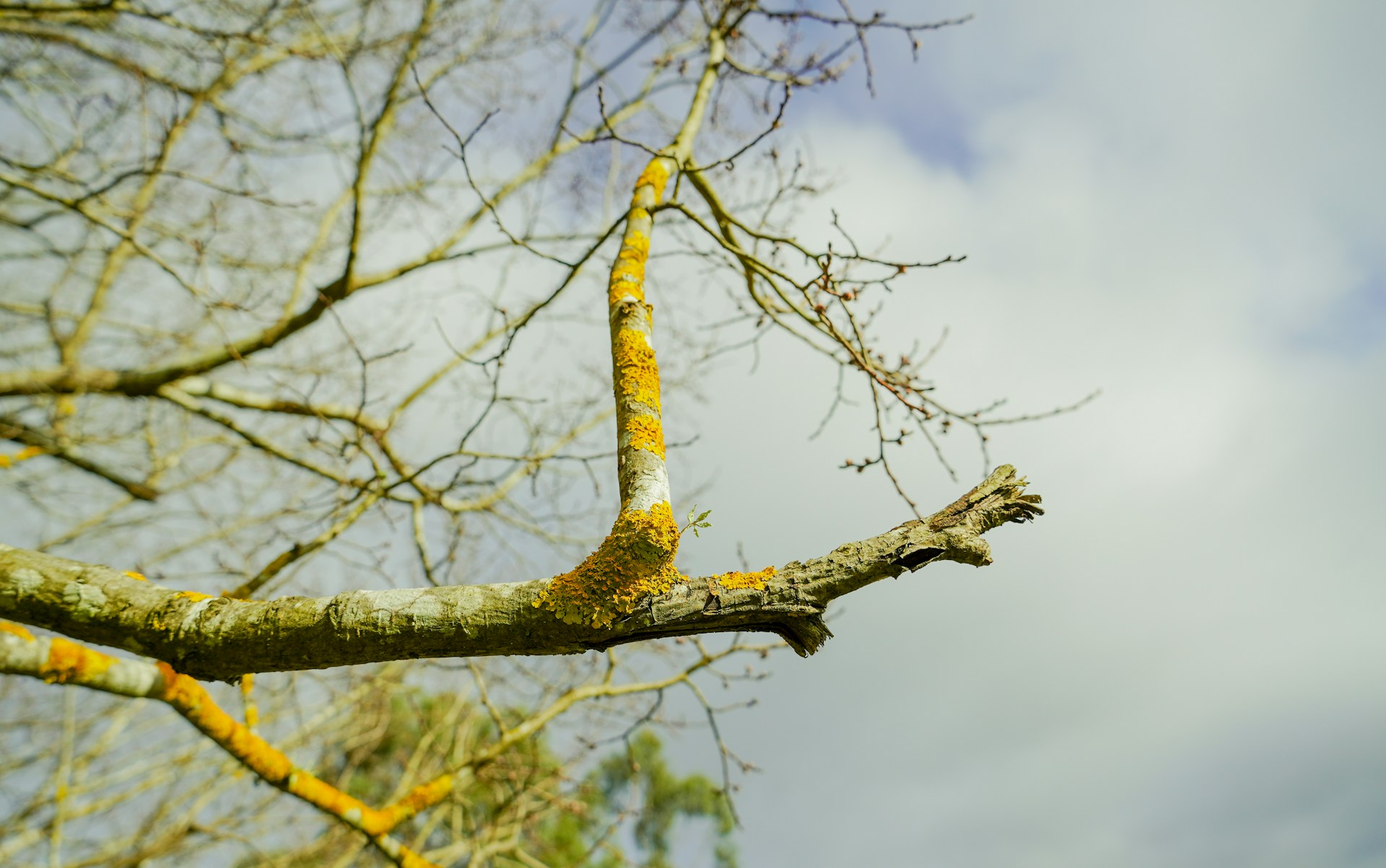
Problematic Branches a Local Tree Trimming Service Can Fix
Bad branches do not fix themselves. When a limb is dead, cracked, hanging low, or scraping your roof, it is already a problem and can quickly turn into real damage. As a local tree trimming service, we see how fast a healthy yard can change after a few storms or a stretch of hot, windy weather.
In this article, we will walk through the main types of problem branches we see around Sioux City and what a professional crew can actually fix. By the end, you will know what to look for in your own yard and why it makes sense to deal with trouble spots before they fall on a roof, car, or person.
How to Spot Problem Branches Before They Cause Damage
Problem branches are limbs that are:
Dead or brittle
Diseased or rotting
Overhanging roofs, sheds, or driveways
Cracked, twisted, or storm damaged
By midsummer, trees have put on a lot of new growth. That is when weak points start to show. Branches that seemed fine in spring can sag, split, or lean after a few windy days.
A local tree trimming service can spot early warning signs that are easy to miss, such as:
Subtle cracks where a branch joins the trunk
Small patches of fungus or cankers on the bark
Branches that sway differently from the rest of the tree
Branches rubbing together and wearing each other down
Catching these issues early helps protect roofs, vehicles, power lines, and people before late-season storms roll in. It is much easier and safer to remove or reduce a problem branch while it is still attached and somewhat stable than to deal with it once it has fallen.
Overgrown Branches Threatening Roofs and Gutters
Long, heavy branches that hang over your house might look shady and pleasant, but they can be hard on your roof and gutters. When branches scrape shingles, they can wear off the protective top layer. This opens the door to leaks and slow water damage. Leaves and small twigs clog gutters and downspouts, which can push water back under shingles or down the side of your home.
Here is what overgrown limbs can cause:
Leaks around edges and vents
Mold or mildew in attic spaces
Pests like squirrels and insects using branches as highways
Damaged siding and screens from constant rubbing
A professional trim creates safe clearance around roofs, gutters, windows, and siding without harming the tree. We look at the natural shape of the tree, then remove only what is needed to:
Keep branches from resting on or over your roof
Stop limbs from rubbing against siding or windows
Thin out heavy tips that hang low over structures
Late summer is a good time to walk around your home and look up. If you see branches touching your roof or hanging low over it, it is smart to plan trimming before leaves start dropping and winds pick up.
Diseased and Dying Limbs That Put Your Yard at Risk
Not every dead branch is harmless. Diseased and dying limbs can fall without warning and may also spread problems to nearby trees. Some warning signs include:
Brittle wood that snaps easily
Peeling or loose bark
Fungus or mushrooms growing on the branch or trunk
Sudden leaf drop or bare sections in the canopy
Dead tips that stay bare while the rest of the tree is green
A local tree trimming service can help tell the difference between a simple dead branch and a disease that could spread. We look at how deep the damage goes, what part of the tree is affected, and how stable the limb is.
Sometimes, careful pruning is enough. We cut out infected or dead wood and help the tree focus energy on healthy growth. Other times, the rot or disease is too advanced. In those cases, removing larger limbs, or even the whole tree, may be the safer choice. The goal is always to protect people, buildings, and nearby trees while saving what can realistically be saved.
Low Hanging Branches Blocking Driveways and Sidewalks
Low limbs might not look dangerous, but they create daily safety issues. Branches that hang over driveways, sidewalks, business entrances, and parking areas can:
Block the view for drivers backing up
Hit taller vehicles, delivery trucks, or RVs
Force people to duck or walk around them
Hide signs or make entrances feel dark and cramped
Elevation pruning is the way to fix this. That means trimming selected lower branches to raise the canopy while keeping the natural shape of the tree. Done right, elevation pruning:
Opens up space for cars and people
Improves visibility at corners and driveways
Makes room for service and emergency vehicles
Keeps the tree balanced and healthy
We also pay attention to neighborhood and city concerns, like sightlines at intersections and how close branches are to sidewalks and streets. Keeping good clearance is not only safer, it can help you avoid trouble if a branch blocks a public area or a utility access point.
Storm Damaged Limbs Waiting to Fall
Summer thunderstorms around Sioux City can leave trees with cracked, hanging, or twisted branches that do not fall right away. These are some of the most dangerous limbs because they look stuck but are actually barely holding on.
Common storm damage we see includes:
Branches split but still attached at the trunk
Limbs hanging in other branches high above the ground
Twisted or bent sections that are under heavy tension
Trying to remove these branches yourself can be very risky. Wood under tension can spring or snap in sudden ways. Heavy limbs can shift as you cut, knocking ladders or hitting power lines.
A professional crew uses ropes, rigging, and the right cutting techniques to secure, cut, and lower damaged branches in a controlled way. During emergency tree service, we focus on anything that is:
Leaning over a roof or structure
Tangled in or near service lines
Blocking driveways or access points
Quick, careful work after a storm helps prevent a second wave of damage days or weeks later, when a weakened limb finally lets go.
Power Line and Structure Close Branches
Branches growing into or close to power lines, sheds, fences, garages, and commercial signs can cause big problems if left alone. Limbs that touch service drops or lines can:
Knock out power during wind or ice
Spark or short out equipment
Damage lines or hardware attached to your building
A local tree trimming service can safely handle many branches that are near residential lines, but there is a limit to what anyone is allowed to do around high voltage lines. In some cases, work needs to be coordinated with the utility. The key is to never try to trim or remove branches that are touching or very close to live wires on your own.
For structures like garages, sheds, fences, and signs, we often use directional pruning. This is a way of trimming that gently guides future growth away from buildings and wires. By choosing which branches to shorten or remove, we can:
Reduce how often the tree will need trimming
Keep limbs from growing back into the same problem spots
Help the tree grow in a safer, more open shape
Take Control of Your Trees Before the Next Big Storm
A simple walk around your property can tell you a lot about your trees. Look for the problem branch types we have covered:
Overgrown limbs touching roofs or siding
Dead, brittle, or fungus-covered branches
Low limbs over driveways, sidewalks, and entrances
Cracked, hanging, or storm-twisted branches
Limbs growing into or near power lines and structures
If you spot any of these, it is time to bring in a local tree trimming service. At Sioux City Tree Co., we help homeowners and businesses understand what is urgent, what can wait, and what kind of routine care will keep trees safer over time. Taking action now protects your property and gives your trees a better chance to stay strong through the next round of wind and storms.
Get Started With Your Project Today
If your trees are looking overgrown, we can help you restore their health, safety, and appearance with our professional local tree trimming service. At Sioux City Tree Co., we assess your property, explain your options, and recommend the right approach for your trees and budget. Reach out to our team with a quick message through our contact page, and we will schedule a convenient time to come out and get started.

(605) 690-5077 | siouxcitytreeco@gmail.com
3311 S Clinton St, Sioux City, IA
Home | Get a Quote | Privacy Policy | Terms of Service | Contact | Blog
© 2026 Sioux City Tree Co. - All rights reserved.
Created by Showcase 712