
Tree Blog
Our Blog
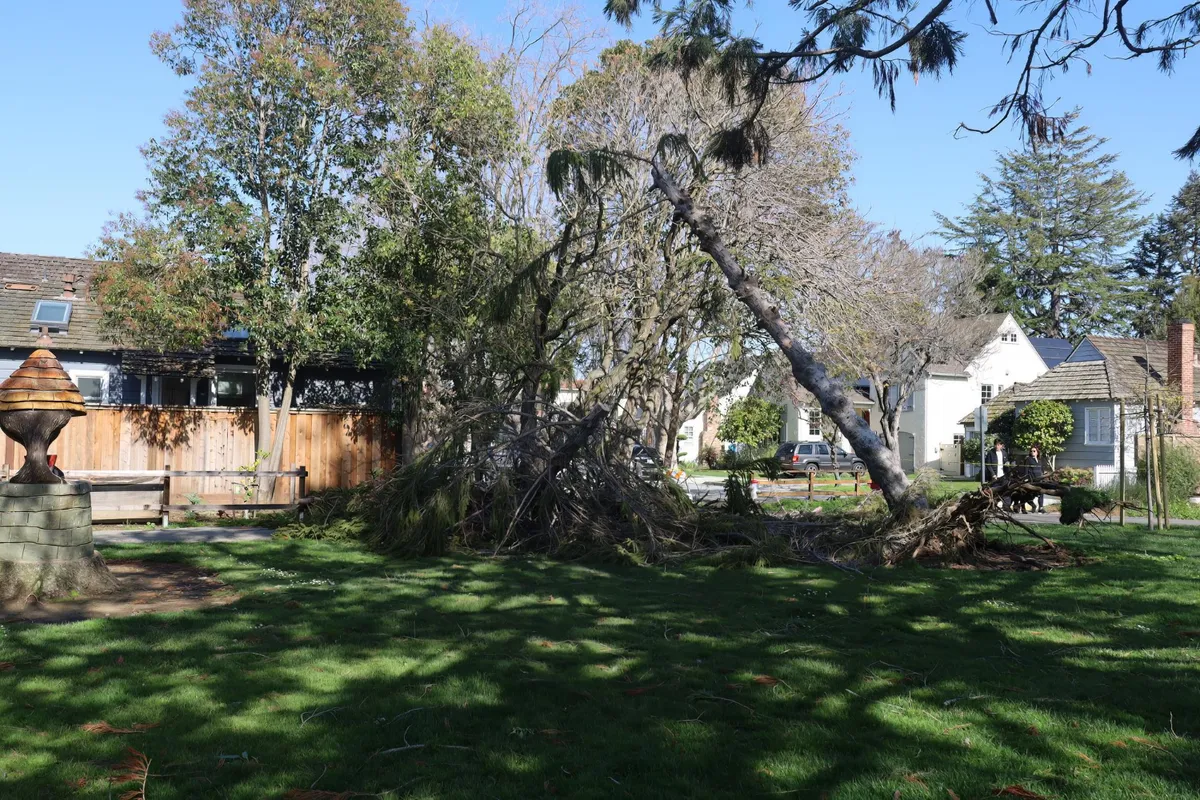
Emergency Tree Service in Sioux City: What Happens on Arrival
When a Storm-Damaged Tree Becomes an Emergency
Storms in Sioux City can change fast. High winds, heavy rain, wet snow, or icy branches can turn a healthy tree into a real hazard in just a few minutes. One cracked limb might not look like much at first, but it can quickly lead to bigger problems for your roof, car, or power lines.
Not every fallen branch is an emergency. A true emergency tree situation is usually when:
A tree blocks your driveway so you cannot safely get vehicles in or out
A tree or heavy limb is on your roof, garage, or vehicle
Branches are resting on or tangled in power lines
You see a cracked trunk, a split main crotch, or a tree leaning more than usual, and it could fall
Fast, professional emergency tree services in Sioux City help stop secondary damage, like roof leaks, broken windows, weakened structures, and serious injuries. Our team at Sioux City Tree Co. works in these conditions often, and we know the local tree species and how they tend to fail in storms.
What to Expect When the Crew Arrives
Those first few minutes on your property matter a lot. When our crew pulls up, we do a quick visual scan before we even step out of the truck. We look for downed wires, hanging limbs, damaged poles, gas leaks, or anything that could put people in danger right away.
Once it looks safe enough to approach, we:
Introduce ourselves and confirm your name and address
Review what you reported on the call
Ask when the damage happened and if anyone is hurt
Ask if power is out, if you smell gas, or if anyone is still inside a damaged area
Then we share a simple action plan. We explain the likely steps, where we expect to stage trucks and equipment, and about how long the first phase might take. This quick talk helps you understand what is going on and where you should and should not walk.
You will see marked trucks, uniforms or safety vests, and protective gear. A calm, steady arrival helps keep things from feeling even more stressful, especially if this is your first time dealing with an emergency tree situation.
Critical Safety Protocols That Protect Your Home
In emergency tree work, safety always comes first. We follow a basic order every time: people and pets first, utilities next, then buildings, then tree work. No branch is worth someone getting hurt.
Here is what you can expect from our safety steps:
We set clear standoff zones so no one walks under hanging limbs
We place cones, tape, or flags to mark danger areas around trees and structures
We park trucks and trailers out of possible impact zones if a tree shifts
We ask family members and pets to stay inside or far back while we work
If power lines or service drops are involved, we do not touch them. We may need to wait for the power company or coordinate with first responders before moving forward. If there is any gas smell or sign of a leak, we stop work until the proper crews make it safe.
Our team uses personal protective equipment on every emergency job, including helmets, eye and ear protection, gloves, and chainsaw chaps. A spotter keeps eyes on the tree and surroundings, watching for movement, rolling logs, and traffic. Clear voice or headset communication helps everyone stay on the same page.
Specialized Equipment Used in Emergency Tree Work
Emergency tree work is not just a chainsaw and a ladder. The right tools allow us to move heavy wood in tight spaces without causing more damage.
Common tools we use include:
Professional-grade chainsaws sized for small limbs and large trunks
Rigging ropes, straps, and pulleys designed to hold heavy loads
Friction devices and lowering systems for controlled branch removal
Hand tools for cutting small pieces around windows, gutters, and siding
On more complex jobs, we may bring in:
Cranes to lift trees off roofs or unstable structures
Aerial lifts to reach broken limbs high over homes or fences
Skid steers or loaders to move logs and large piles of debris
For night calls or low visibility, we set up work lights, flashers, traffic cones, and signage so the area stays safe for workers, homeowners, and drivers passing by. Using the right equipment allows us to make careful cuts, lower pieces one at a time, and protect roofs, siding, landscaping beds, and nearby trees from extra harm.
How Arborists Triage Tree Damage on the Spot
After storms, we often arrive to find several trees damaged on the same property or along the same street. We have to decide what to handle first and what can safely wait. That ranking process is what we call triage.
We look at:
Tree species and age, since some are more likely to snap or uproot
How far the tree is leaning and if it changed recently
Cracked trunks, split main crotches, or hanging leaders
Root plate movement, like raised soil or gaps at the base of the trunk
Soil conditions, especially if the ground is saturated
If a tree is about to fall on a house, garage, or utility line, that moves to the top of the list. Sometimes we do temporary stabilization, like removing select limbs, light pruning, or supporting parts of the tree so it does not fail right away. Other times, the tree is too compromised to save and requires full emergency removal.
As we work, we often document the damage with photos and notes. Homeowners can use this later when working with insurance or planning long-term tree care and replacements.
How Emergency Tree Service Pricing Is Determined
Many homeowners are unsure how emergency tree service pricing is figured out, especially when they are already stressed about damage. While every situation is different, some common factors usually affect the estimate.
These include:
Severity of the emergency and how unstable the tree is
Tree size and type of wood
Location of the tree, such as on a roof, against a fence, or near power lines
Complexity of rigging and cutting to avoid more damage
Need for extra equipment like cranes, aerial lifts, or loaders
Timing can also play a role. After-hours calls, overnight work, and dangerous weather conditions often require more crew members, lighting, and added planning, which can affect overall pricing.
A clear estimate will usually cover the emergency removal or stabilization, basic debris handling, and general cleanup of the active work area. You can ask about options like stump grinding or hauling extra brush if you want more complete cleanup. It is also smart to ask how documentation can support any insurance claim you plan to file.
Many people are tempted to hire the cheapest person with a chainsaw during a storm. That can backfire if they are not insured or trained for emergency work around structures and utilities. Professional emergency tree services in Sioux City bring the experience, safety practices, and gear needed to protect your property and everyone around it.
Be Ready Before the Next Storm Hits Sioux City
The best time to think about emergency tree work is before you need it. Saving a trusted company’s contact information and including it in your family safety plan can make things go smoother when storms roll through.
Regular tree care can also lower the chance of serious storm damage. Many homeowners find it helpful to schedule:
Tree health assessments to spot weak or decaying areas
Pruning to remove dead, broken, or poorly attached limbs
Planned removal of high-risk trees that lean over roofs, drives, or lines
When you work with a local team like Sioux City Tree Co., you get people who know area weather patterns and common tree problems. That means safer outcomes, quicker decisions in an emergency, and more predictable work plans before the next big storm arrives.
Protect Your Property With Fast, Professional Tree Help
When storms or sudden damage put your trees at risk, you need a crew that can respond quickly and safely. At Sioux City Tree Co., we offer reliable emergency tree services in Sioux City to clear hazards and prevent further damage to your home or business. Reach out today and let us assess the situation, provide a straightforward plan, and get your property secure again. If you’re facing an urgent tree issue right now, please contact us so we can help immediately.

(605) 690-5077 | siouxcitytreeco@gmail.com
3311 S Clinton St, Sioux City, IA
Home | Get a Quote | Privacy Policy | Terms of Service | Contact | Blog
© 2026 Sioux City Tree Co. - All rights reserved.
Created by Showcase 712