
Tree Blog
Our Blog
Winter Storm Tree Risk in Sioux City: What Arborists Check + Mitigation
Protect Your Property Before Sioux City’s Next Ice Storm
Ice storms in Sioux City can turn a normal tree into a serious problem overnight. Freezing rain coats every twig, branch, and limb with heavy ice. A small crack or weak branch that seems minor on a dry day can snap without warning once that extra weight hits.
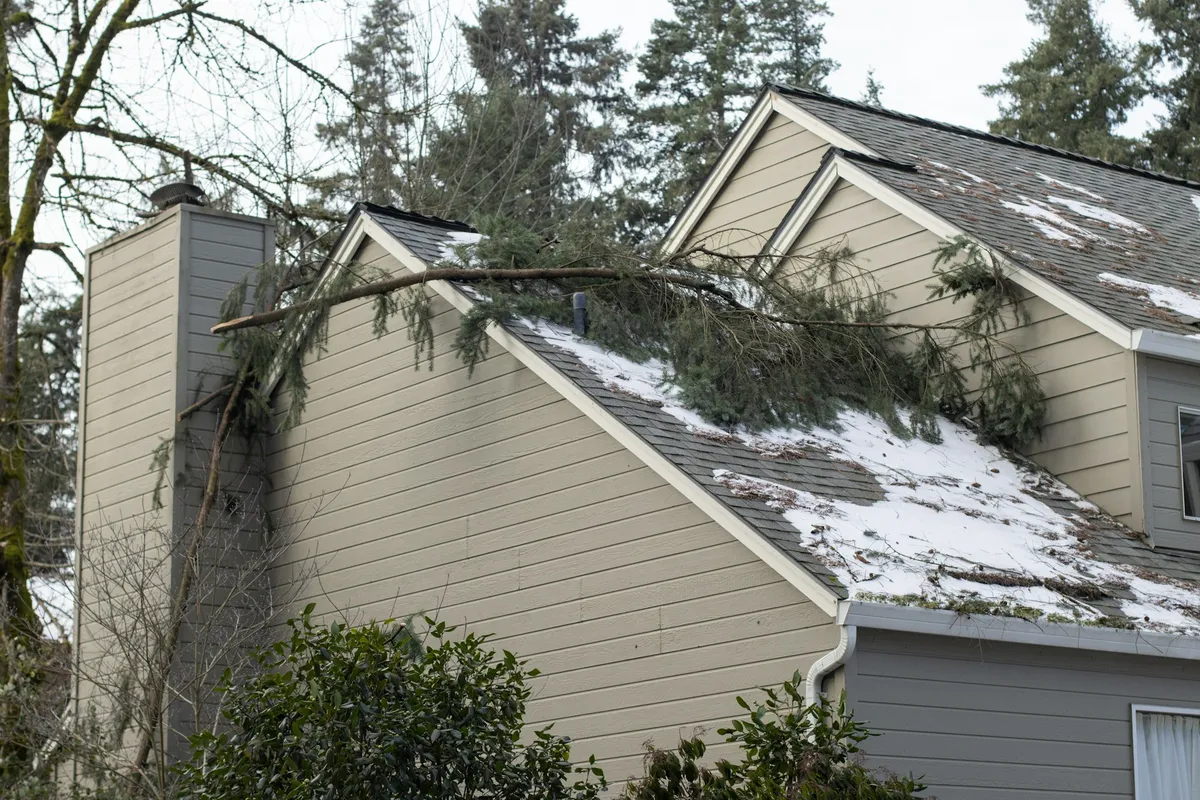
When that happens, the results are not small. Homeowners deal with branches through roofs, dented gutters, smashed fences, blocked driveways, and even damage to vehicles or siding. In some cases, whole trees fail and bring down power lines or block streets, which often leads to stressful emergency removals.
One smart way to lower that risk is a professional tree health assessment in Sioux City before winter storms roll in. A careful look at structure, hidden decay, and root strength often shows problems you cannot see from the porch. In this article, we will talk about which common local species struggle most with ice, what weak points arborists look for, and a simple pre-storm checklist you can use to get your property ready.
Sioux City Trees Most Vulnerable to Ice and Wind
Not every tree handles ice the same way. Some have strong wood and good branch structure. Others grow fast, with weaker wood and tight branch angles that split easier when coated in ice.
Trees that often have more trouble in our area include:
Silver maple, with fast growth and long, heavy limbs
Bradford and other ornamental pears, with tight branching that likes to split
Siberian elm, which often has many weak, crossing limbs
Boxelder, a soft maple that tends to form crowded, brittle branches
Some cottonwoods, especially older or poorly pruned ones
These species can lose big limbs under ice load, especially if they were topped in the past or never pruned for structure. They are not always unsafe, but they do call for closer attention near homes, driveways, sidewalks, and parking areas.
On the other hand, some trees generally handle storms better, such as:
Bur oak
Some native maples with stronger wood
Hackberry
Honeylocust
Even these more resilient species can become hazardous if they have decay, poor pruning cuts, or root problems. That is why a fall tree health assessment in Sioux City is so helpful. It allows you to see which trees are higher priority before freezing rain shows up, and which ones only need light care or monitoring.
Hidden Weak Points Arborists Spot Before Ice Hits
When we inspect trees for winter weather, we start with a slow walk around each tree. We study the crown, trunk, and root flare, and we pay special attention to how weight is carried over anything that could be hit if a branch fails.
Here are some of the main weak points we look for.
Co-dominant stems
These are two or more main trunks of similar size that grow from the same point. They often look like a fork high in the tree. Under ice:
Each stem acts like a lever, pulling away from the other
The attachment between them is often weaker than it looks
Cracks can start at the union and run down the trunk
In some cases, thoughtful pruning to reduce weight, or cabling and bracing, can help lower the chance of failure. Other times, removal of one stem or the entire tree is the safer choice.
Included bark
Included bark happens when bark is pinched between two stems or large limbs. Instead of solid wood joining them, there is a wedge of bark. This keeps the wood from fusing and creates a natural crack line. Under a sudden ice load or a strong gust, that seam is much more likely to split apart.
Decay indicators
Decay is not always obvious, but there are warning signs. We watch for:
Conks or mushrooms on the trunk or near the base
Cavities or large old wounds
Soft, punky wood or hollow-sounding areas when gently tapped
Long vertical cracks or seams
When decay is present, the tree loses strength. Branches that once held their own weight may not handle the extra stress of ice and wind.
Root plate stability
The root system holds everything up, so we inspect the base of the tree carefully. We watch for:
Heaving or cracked soil on one side of the tree
A new lean or a lean that has recently increased
Girdling roots wrapping around the trunk
Signs of construction damage or cut roots
Very saturated, compacted soil around the base
If the root plate is already stressed, a winter storm can cause the whole tree to tip or uproot.
What a Professional Winter Tree Health Assessment Covers
A winter-focused tree health assessment in Sioux City is not just about whether a tree is green in summer. It is about structure, species, and where that tree stands in relation to your home, car, and power service.
During this type of visit, we may look at:
Canopy density and how weight is spread over your roof, driveway, or walks
Old storm damage, including torn limbs and past failures
Signs of topping or improper cuts that led to weak regrowth
Clearance from roofs, siding, and service lines
Soil moisture and drainage around the root zone
We often use simple tools, like binoculars to see high branch unions, or a mallet to gently sound for hollow areas. Light probing around cavities can show how much sound wood is left. For more complex cases, or trees with known defects high in the canopy, aerial inspections or advanced methods can be helpful.
The goal is always the same: turn what we see into a clear plan. That plan might sort trees into three groups, such as:
Trees that can be made safer with pruning or cabling
Trees that are stable now but should be watched
Trees that are high risk and good candidates for removal before storms
Pre-Storm Mitigation Steps Every Homeowner Can Take
The best time for storm prep is late fall, before ice starts to show up in the forecast and while crews can still work safely in the trees. Waiting until the storm warning goes out leaves little room to act.
There are basic checks many homeowners can do from the ground:
Look for dead or hanging limbs caught in the canopy
Watch for new cracks in large limbs or the trunk
Notice any fresh lean or change in posture
Check for mushrooms or conks around the base or on the trunk
Note any limbs rubbing the roof, gutters, or siding
Any of these signs should be taken seriously, especially near sleeping areas, high-use doors, driveways, and play spaces. Strategic pruning by a professional can help by thinning dense crowns, shortening overextended limbs above targets, and cleaning out deadwood. Correcting old, poor cuts can also lower the chance of breaks.
Risk tolerance matters too. Some homeowners are comfortable with minor defects far from the house but want a low risk level near bedrooms or where cars are parked. It is also important to know when the work is not safe to attempt on your own, such as:
Large limbs over structures
Trees near or under power lines
Any work that would require climbing or a chainsaw in the tree
Proactive care and, when needed, selective removals are almost always less stressful and less disruptive than emergency work after a storm has already dropped limbs.
Your Winter-Ready Tree Safety Checklist and Next Steps
To keep things simple, here is a quick mental checklist as winter approaches:
Arrange a professional tree health assessment in Sioux City for large or concerning trees
Walk your property after each big freeze and note any new cracks, leans, or broken limbs
Pay special attention to trees over roofs, driveways, parking areas, and service lines
Keep up with regular pruning on a one- to two-year cycle, based on professional advice
Take photos and short notes on any changes you notice over time
Many homeowners and businesses find that a little planning goes a long way. Even if winter is already near, it is not too late to lower risk. Careful inspection, thoughtful pruning, and clear decisions about high-risk trees can help your property stand up better to the next round of ice and heavy, wet snow. At Sioux City Tree Co., we focus on helping you make those choices with safety and long-term tree health in mind.
Protect Your Trees With a Professional Health Check Today
If you have any concerns about your trees or simply want peace of mind, we’re here to help. At Sioux City Tree Co., our certified team can perform a detailed tree health assessment in Sioux City tailored to your property and goals. We will explain what we find in clear terms and recommend only the care your trees truly need. To schedule a visit or ask a question, just contact us.

(605) 690-5077 | siouxcitytreeco@gmail.com
3311 S Clinton St, Sioux City, IA
Home | Get a Quote | Privacy Policy | Terms of Service | Contact | Blog
© 2026 Sioux City Tree Co. - All rights reserved.
Created by Showcase 712