
Tree Blog
Our Blog
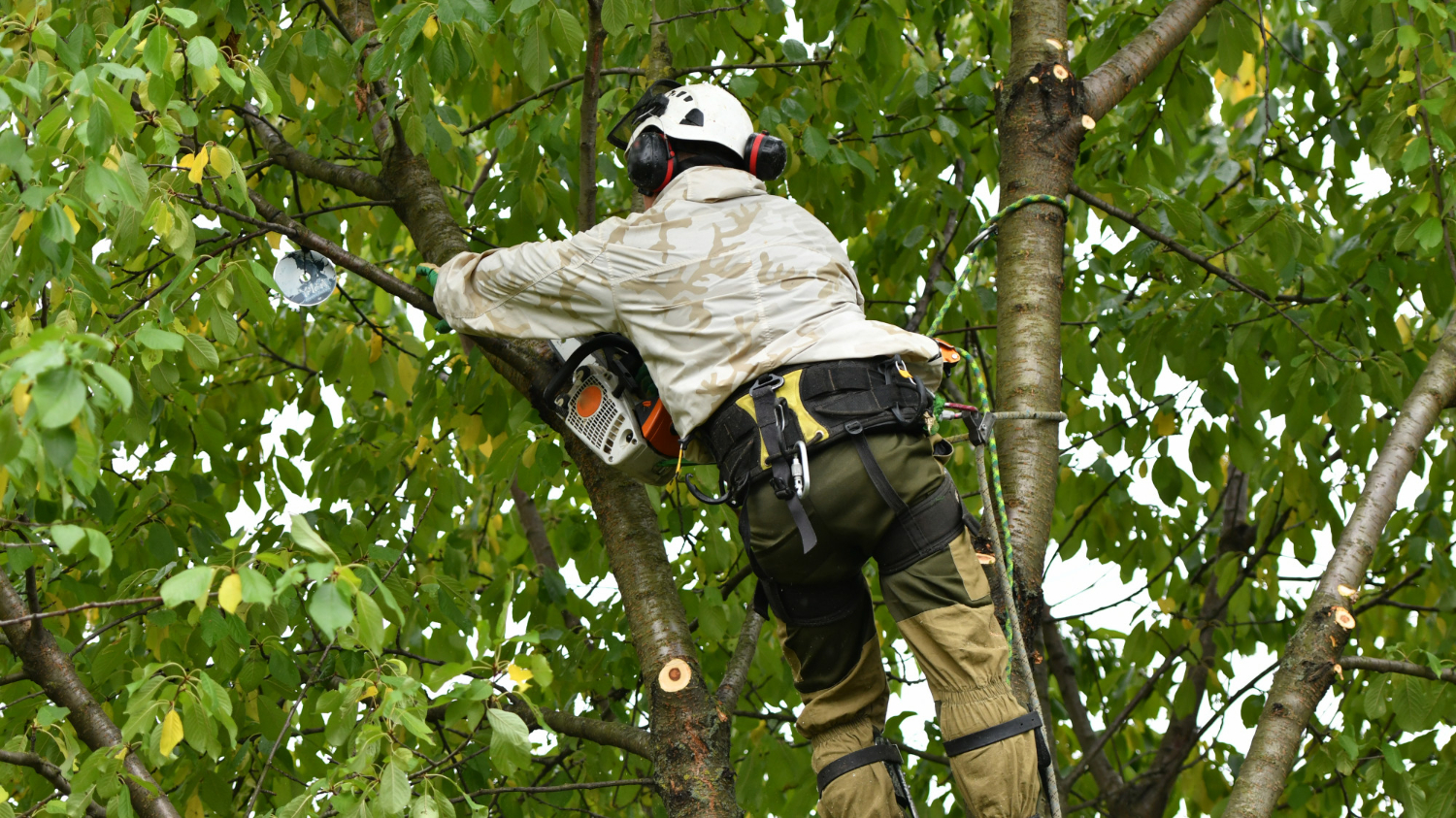
Late-Summer Tree Care in Sioux City: Watering, Mulching, Pest Watch, Pruning
Keep Sioux City Trees Thriving Through Late-Summer Stress
Late summer in Sioux City can be tough on trees. Heat hangs on, rain can be hit or miss, and surprise storms can roll through fast. This “in-between” time, from August into early September, often decides how well your trees handle winter and how they leaf out next spring.
Good care now means less winter damage, less spring dieback, and fewer big removals later. When trees are stressed at the end of the season, they go into cold weather already weak. That is when branches snap, decay spreads, and whole trees start to decline.
In this guide, we will walk through how to spot drought and heat stress before it goes too far, how to water and mulch the right way, what kind of tree trimming in Sioux City is smart in late summer, and which pests and diseases you should watch for. As a local tree care team, we see these issues every year in our area’s soil and weather, and we know how quickly they can snowball if they are ignored.
Spotting Heat and Drought Stress Before It’s Too Late
Heat and dry soil hit trees hard in late summer, even if they seemed fine in spring. The signs often start small, then spread fast.
Watch for:
Leaf scorch, brown or crispy edges on leaves
Early leaf drop when other trees are still green
Wilting leaves that do not perk up after rain
Smaller, pale, or off-color leaves
Thinning canopy, where you can see more sky through the branches
Newly planted trees and young trees have small root systems, so they are at higher risk. Trees next to driveways, streets, or packed soil also struggle, because heat reflects off pavement and roots cannot breathe well. These trees can slide from “a little stressed” to “failing” faster than most people expect.
Late-summer stress does not stay in late summer. When a tree is already weak, winter cold and wind are harder on it. The result can be:
More dead tips and branches in spring
Slow or patchy leaf-out
Bigger limbs failing during snow or ice
It is time to bring in a professional when:
The whole tree shows sudden decline
One major limb is yellowing, dying back, or dropping leaves while the rest looks normal
You see cracks, mushrooms, or soft spots on the trunk or root flare
Symptoms keep getting worse even after you adjust watering
Those signs can point to root damage, decay inside the tree, or serious structural problems that are not safe to tackle alone.
Smarter Late-Summer Watering and Mulching for Sioux City Yards
Watering trees in late summer is not about sprinkling the surface a little every day. Trees need deep, steady moisture that reaches the main roots.
For most yards, a good rule of thumb is:
Established trees: Deep watering about once a week in dry weather
Newly planted trees: Deep watering 2 to 3 times a week in dry weather
Place a slow-running hose or soaker at the drip line, the area under the outer edge of the branches, not tight to the trunk. Let it run long enough for the water to sink down several inches. Shallow, quick watering only wets the top layer of soil, which can lead to weak, surface roots.
To check if your tree really needs water, do not guess. Use a screwdriver or hand trowel:
Push it 4 to 6 inches into the soil under the canopy
If the soil is dry and crumbly, it is time to water
If it is cool and slightly damp, wait and check again in a day or two
Mulch is just as important as water. A good mulch layer helps soil hold moisture, keeps roots cooler in heat, and adds organic matter over time.
Aim for:
2 to 4 inches of mulch over the root zone
A wide circle, if possible, stretching out from the trunk
A clear gap around the trunk so the mulch does not touch the bark
Avoid “mulch volcanoes,” tall piles pressed right against the trunk. Those trap moisture on the bark, invite pests and decay, and can slowly choke the tree. If mulch from earlier in the season has broken down or packed hard, lightly loosen and refresh it instead of adding a heavy new layer on top.
When you get watering and mulching right in late summer, your trees can store more energy in their roots and buds. That means stronger growth, better color, and improved resilience when spring arrives.
What to Prune in Late Summer vs. What to Avoid
Tree pruning in late summer should focus on safety and health, not big makeovers. Some cuts are smart now, while others are better saved for another season.
Good late-summer pruning includes:
Removing clearly dead or broken branches
Cutting out obviously diseased limbs to slow spread
Taking off branches that are crossing, rubbing, or scraping
Trimming back storm-damaged limbs that are cracked or hanging
These cuts help prevent future breakage, reduce places where pests and fungi can enter, and keep people, roofs, and cars safer.
What you want to avoid is heavy pruning of live, healthy wood. Aggressive thinning or big cosmetic shaping in late summer can:
Trigger new soft growth that may not harden before the first cold snaps
Stress a tree that is already coping with heat and drought
Change the structure in ways that cause weak branch attachments later
For larger trees, or any tree near power lines, buildings, or fences, late-summer pruning is not a DIY job. If you see cavities, mushrooms on the trunk, or big limbs with odd bulges or splits, cutting in the wrong spot can cause serious damage or create new hazards. Professional tree trimming in Sioux City is especially important when you are working off the ground or when decay might be hiding inside the wood.
Late-Summer Pest and Disease Watch for Sioux City Trees
Heat and drought do not just stress trees; they also make it easier for pests and diseases to gain a foothold. Stressed trees are like open doors for insects and fungi.
Common late-summer issues in our region include:
Borers that tunnel into trunks and branches
Scale insects that suck sap and leave sticky residue
Mites that cause fine speckling or bronzing on leaves
Leaf spot diseases that leave brown or black spots
Cankers and other fungal problems on branches and trunks
Early warning signs to watch for:
Sawdust-like material or oozing on the trunk or around branch unions
Tiny, round holes in bark
Sticky leaves or black, sooty mold on foliage
Webbing, clusters of insects, or rough bumps on twigs
Sudden dieback in part of the canopy while other sections seem fine
Healthy trees are better at fighting off pests and sealing out decay. Proper watering, smart mulching, and careful pruning all support a stronger natural defense system. On the other hand, hard pruning at the wrong time, chronic drought, or damaged roots invite more problems.
Blanket, one-size-fits-all sprays rarely solve the issue and can harm helpful insects that keep other pests in check. A professional assessment can identify the specific pest or disease, choose targeted treatments, and time them correctly so they are as effective and gentle as possible.
Partner with Sioux City Tree Co. for Healthier Trees Year-Round
Late summer is a perfect time to have a trained eye look over your trees. A thorough health check can spot stress, weak branch unions, pest activity, and structural problems before winter storms test every limb and root.
Ongoing care makes a big difference. With regular inspections, thoughtful pruning, and, when needed, safe removal and stump grinding, properties stay safer and look better for the long run. Our team at Sioux City Tree Co. works with the trees and weather patterns we see in this area every day, so we know how local conditions affect your specific species and soil.
When your trees get the right support at the end of the season, they are better prepared for cold, wind, and next year’s growth. That is the kind of quiet, steady care that keeps your yard shaded, safe, and beautiful year after year.
Protect Your Trees And Property With Expert Care
If your trees are getting overgrown or starting to look unsafe, we can help you take care of them before they become a problem. Our team at Sioux City Tree Co. provides professional tree trimming in Sioux City to keep your trees healthy, attractive, and away from roofs, power lines, and structures. Let us assess your trees and recommend the right service for your yard and budget. If you are ready to schedule or have questions, contact us today.

Home | Get a Quote | Privacy Policy | Contact | Blog
©2024 Sioux City Tree Co® - All rights reserved.
Created by Showcase 712