
Tree Blog
Our Blog
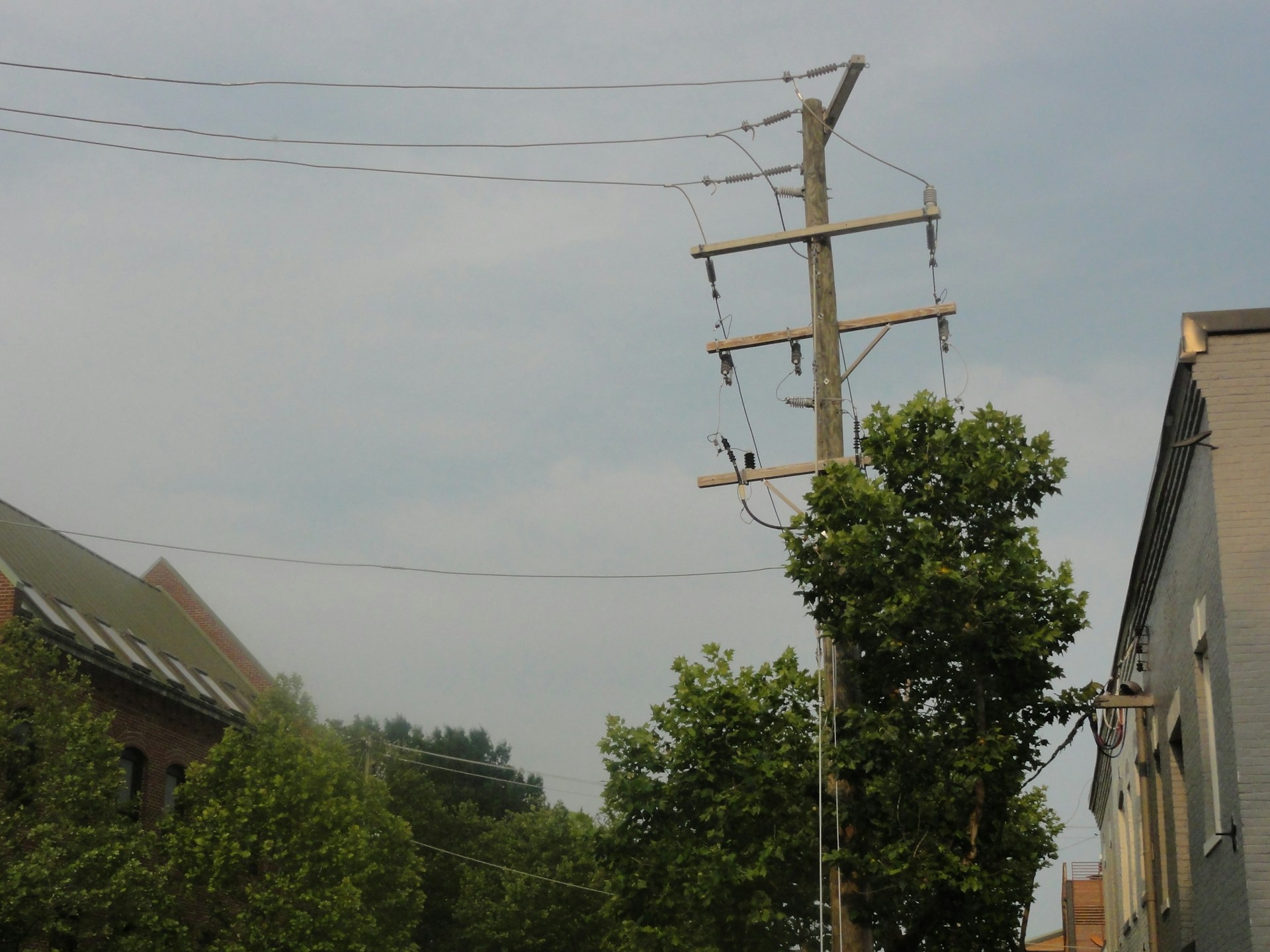
Preventing Power Line Tree Hazards with Sioux City Tree Care
Keep Your Family and Power Lines Safe This Spring
Trees and power lines do not mix well. When branches grow too close to electricity, a quiet backyard can turn into a dangerous spot in a hurry. Spring is a smart time to look up at your trees and make sure they are not putting your home, your family, or your neighborhood at risk.
As the weather warms, trees in Siouxland start a strong growth spurt. At the same time, we see more rain, wind, and storms. The ground is softer, which makes tree work easier, but it also makes it easier for weak trees to lean or fall. That mix of new growth and unsettled weather is why power line safety should be on every property owner’s spring checklist.
Overgrown branches around overhead lines bring more than just an ugly view. They can start fires, knock out power, damage roofs and siding, and create serious electrocution hazards for anyone nearby. Working around power lines is not a do-it-yourself job. It calls for trained pros who understand local utility clearance rules and how to protect both people and trees.
How Trees Become Dangerous Around Power Lines
Most trees do not look dangerous when they are small. The problem starts as they grow and spread. In just a few seasons, fast-growing or poorly placed trees can reach right into overhead lines, especially after a wet winter that helps them grow even faster.
Here are some of the most common danger situations we see around power lines:
Long limbs rubbing or whipping into lines during wind
Large branches cracking and dropping onto service wires to the house
Whole trees leaning over lines after soil gets soaked
Dead tops breaking off and falling across multiple lines
Wet ground in spring can also loosen shallow roots. A tree that looked fine last year can start to tilt. If that tree is anywhere near a line, one big gust could be enough to bring it down.
It helps to know the difference between nuisance growth and true hazard trees:
Nuisance growth: Smaller twigs near, but not touching, lines, light brush below lines, basic shaping away from your roof.
Hazard trees: Large branches hanging directly over lines, limbs already touching or arcing, dead or cracked trunks near the lines, trees with hollow spots or mushrooms growing at the base close to utility paths.
If you are not sure which one you are looking at, treat it like a hazard. When electricity is involved, it is always safer to have a professional take a closer look.
Smart Tree Trimming Sioux City Homeowners Can Trust
Tree trimming near power lines is not the same as clipping a low branch over your driveway. There is a big difference between quick cutting and careful pruning that keeps your trees healthy and your power on.
Professional crews trained to work around lines focus on:
Correct pruning cuts that help the tree heal instead of rot
Proper clearance from power lines based on height, species, and growth rate
Shaping trees to grow away from wires over time, not back into them
Following local rules and utility guidelines for safe distances
Safety near energized lines is always the first priority. Pros use insulated tools, bucket trucks, rigging gear, and protective gear designed for this kind of work. They also know when it is time to coordinate with the power company so work can be done safely if lines need to be shut down or adjusted.
Smart trimming is not just about this storm season. With a good plan, your trees can be set up to:
Shed less during storms, which reduces falling branches
Stay clear of lines longer between trims
Keep a stronger structure as they age
Add to your curb appeal instead of making your yard look rough
Well-cared-for trees are less likely to fail during bad weather, and that means fewer surprise outages and repairs.
Strategic Planting to Prevent Future Power Line Conflicts
One of the best ways to avoid power line problems is to plant smarter from the start. Most conflicts happen because a tree that grows very tall is planted directly under or right beside overhead lines.
A few simple planting rules can save a lot of trouble later:
Do not plant tall shade trees under or right next to lines
Give medium trees extra setback so they do not grow into the wires
Keep large species far enough away that, at full height, they still clear the lines
In the Sioux City area, we deal with hot summers, cold winters, and strong winds. That means you want trees and shrubs that can handle swings in weather without dropping big limbs every time a storm passes through.
General guidelines that help:
Under or near lines, pick smaller ornamental trees and shrubs that stay relatively low when mature
For shade trees that reach higher, plant them well outside the fall zone of the lines
Choose species known for strong limbs and good structure instead of weak, brittle branches
Getting good advice during the planning stage, before you put a shovel in the ground, can keep your yard beautiful and safe for many years. A quick walk-through with a tree professional during new landscaping or yard updates can help you avoid future conflicts with power lines and create a layout that stands up better to severe weather.
Emergency Tree Response When Storms Hit Siouxland
Even with careful trimming and smart planting, storms can still cause trouble. High winds, lightning, and heavy rain sometimes bring trees or branches down right onto wires.
If a tree or limb falls onto a power line, do not try to move it. The line may still be live, even if the power in your home is out. Electricity can travel through wood, fences, metal sheds, and even wet grass and puddles.
If a tree hits a line, you should:
Stay far away from the area and keep others back
Avoid touching fences, metal objects, and standing water near the downed line
Keep kids and pets inside until the area is checked
Call the utility to report the downed line, then contact a tree professional
Emergency tree work around wires is very different from routine trimming. It often involves blocked driveways, damaged roofs, and tangled branches under tension. A trained crew can safely clear debris around lines, work with the power company when needed, and help make the area safe again.
Regular maintenance goes a long way toward avoiding these emergencies. Trees that are inspected and trimmed on a schedule are less likely to fail badly. Even if a storm does cause some damage, maintained trees often break in smaller, easier-to-handle pieces instead of ripping out whole trunks or root systems.
Take Action Now with Expert Tree Trimming Sioux City Needs
Tree and power line issues rarely fix themselves. Branches only grow longer, roots only spread farther, and storms keep coming. A simple safety inspection of all trees near overhead lines can give you peace of mind before the next round of thunder, lightning, and high winds.
Many property owners find that staying ahead of problems with regular tree trimming in Sioux City is simpler and safer than dealing with sudden outages, damaged siding, crushed fences, or worse. A careful look from a professional can spot hazard trees early, recommend the right pruning, and suggest better planting choices for the future.
Sioux City Tree Co. focuses on keeping people safe, power flowing, and trees as healthy as possible around overhead lines. With expert care, your yard can stay green and full without putting your family, neighbors, or property at risk.
Protect Your Property With Expert Local Tree Care
If you are ready to improve safety, curb appeal, and long-term tree health, our team at Sioux City Tree Co. is here to help. Whether you need routine tree trimming Sioux City or have concerns about a specific tree, we will evaluate your property and recommend the right solution. Reach out with your questions or to schedule a visit and we will respond promptly. You can also contact us to request a free, no-obligation estimate.

Home | Get a Quote | Privacy Policy | Contact | Blog
©2024 Sioux City Tree Co® - All rights reserved.
Created by Showcase 712