
Tree Blog
Our Blog
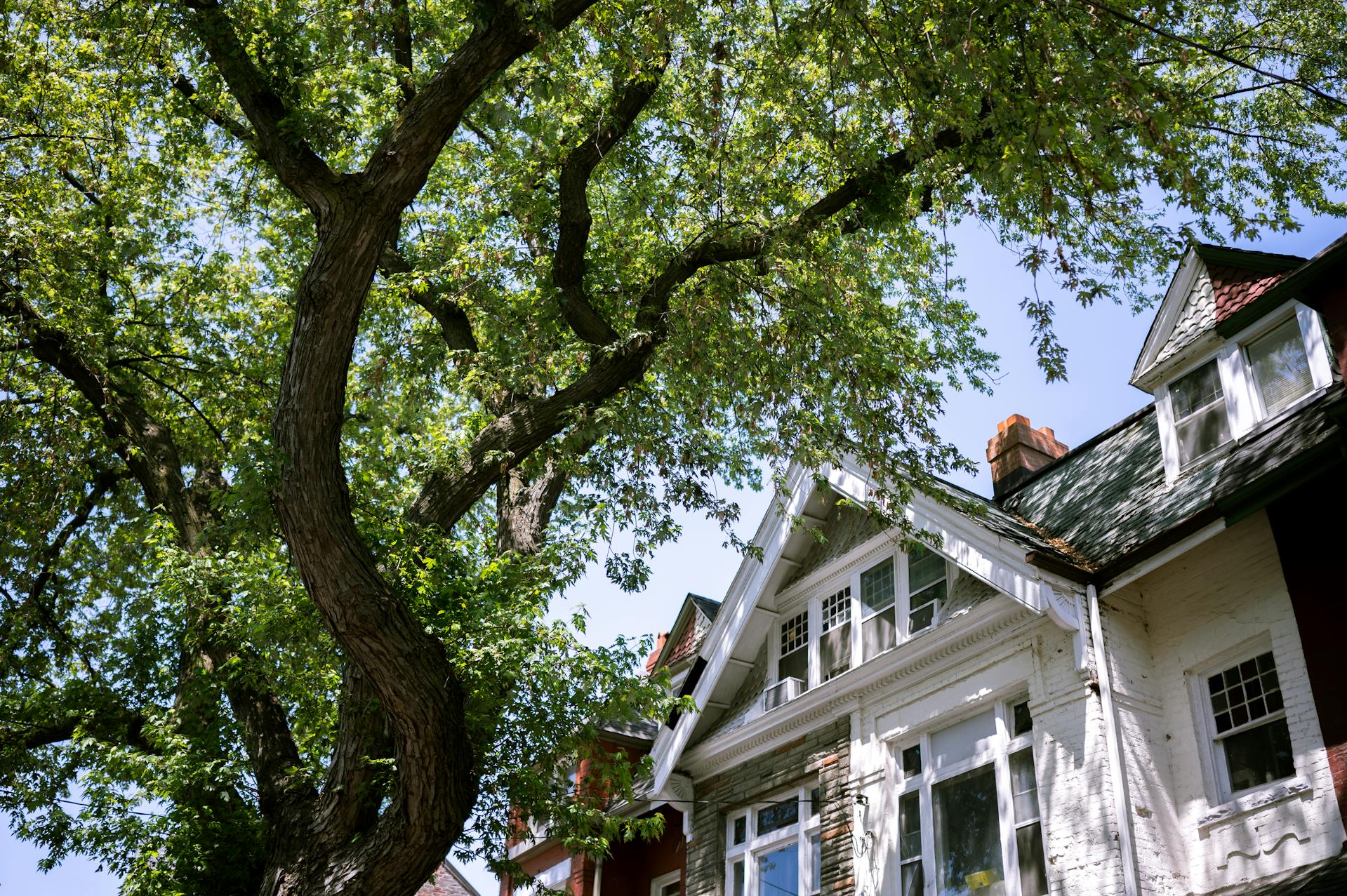
Recognizing When a Sioux City Tree Has Outgrown Its Space
Protect Your Yard Before Trees Take Over
A healthy shade tree adds beauty, comfort, and value to any Sioux City property. But when that same tree grows too large for its space, it can quietly turn into a safety risk for your home, vehicles, and even the people who walk through your yard.
Spotting trouble early is important for homeowners and businesses. When we catch warning signs in time, we can often fix problems with smart pruning instead of full removal. It also helps you avoid storm damage, protect your roof and foundation, and keep your curb appeal in good shape.
In this article, we will walk through the visual and structural clues that a tree has outgrown its spot, what to watch for during strong Midwestern weather, and how to know when it is time to consider professional tree removal in Sioux City instead of another quick trim.
Warning Signs Your Tree Is Crowding Your Home
One of the first signs a tree is too big for its space is how close it has grown to your house or building. Branches that were once a safe distance away can slowly creep closer every year.
Watch for these branch issues near structures:
Limbs scraping or rubbing against the roof or siding
Branches hanging directly over the roof, deck, playset, or driveway
Low limbs that sway over parked cars or seating areas
When branches are that close, they can crack shingles, clog gutters, and break windows during a thunderstorm. Even on calm days, constant rubbing can wear away roofing and paint and open the door for water leaks.
Roots can also show that a tree has outgrown its space. In Sioux City, many properties have clay-heavy soil, which can make root heaving worse when trees get large. Signs of root encroachment include:
Sidewalks, driveways, or patios lifting or cracking near the trunk
Visible roots snaking toward the house, garage, or shed
Soil bulging along the root line or gaps opening under concrete
Roots close to septic lines or other buried utilities
Over time, aggressive roots can put pressure on foundations, shift hardscapes, and create trip hazards.
Crowding is not only about buildings. It is also about how people and vehicles move through your space. If you notice:
Low branches blocking walkways or your front steps
Limbs hanging into the driveway so tall vehicles brush them
Branches drooping into alleys or over the street, affecting visibility
then your tree is likely too big for its location. This can limit delivery access, make snow removal harder, and increase the risk of someone getting hurt by a low limb they cannot see in the dark.
Structural Red Flags That Signal Outgrowth
As trees grow taller and wider, the structure of the trunk and branches becomes more important. A tree that is too large for its space often starts to show stress in how it stands and holds its weight.
A leaning trunk is one of the main red flags. Some trees have a slight lean from the start and stay stable for years. The danger signs are:
A lean that is new or getting worse
Exposed roots on one side of the tree
Soil lifting or cracking opposite the lean
Gaps in the soil near the trunk after heavy rain
These can point to a top-heavy tree or weakened roots, both of which can be pushed over by wind or saturated ground.
Overextended limbs are another warning sign that the canopy is too large.
Long branches that stretch far from the trunk with no support
V-shaped branch angles, which are more likely to split than U-shaped ones
Visible cracks, splits, or dark, soft spots near branch joints
When limbs outgrow what the trunk can safely support, they are more likely to snap without much warning.
A crowded, tangled canopy is also a clue that the tree has pushed beyond a safe size. Signs include:
Branches tightly crossing and rubbing each other
Very dense foliage that blocks light into the yard or home
Dead branches mixed deep inside the live growth
This kind of canopy holds more wind and makes it easier for disease and decay to spread through hidden wounds and broken spots.
When Large Trees Become Safety and Liability Risks
In our area, strong storms and high winds can turn an oversized tree into a serious hazard. Tall, thick canopies can act like sails in the wind, catching more force than the roots or branches can handle. That is when large limbs or whole trees can come down on:
Roofs and gutters
Garages, sheds, and fences
Parked vehicles or outdoor equipment
Neighboring homes and yards
Another big concern is interference with power lines and other utilities. When branches grow into or above lines, the risk of power outages and electrical hazards goes up. It might look simple to cut back a few limbs, but trimming near live lines is never a safe DIY job.
There is also a liability side to all of this. If a tree is visibly hazardous, with clear signs like dead leaders, heavy lean, or big broken limbs, and it causes damage, insurance companies and neighbors may ask why it was not handled sooner. Large roots or branches crossing property lines can also strain relationships if they start to damage fences, driveways, or shared spaces.
Pruning, Planting, or Removal: Choosing the Best Path
Not every big tree needs to come down. In many cases, careful pruning is enough to bring size and structure back into balance. Pruning can:
Remove dead or weak limbs before they fail
Thin crowded canopies to let in more light and air
Cut back overhanging branches to clear roofs and walkways
Reduce overall weight on key limbs
Pruning works best when the trunk and roots are still sound and the tree is planted at a reasonable distance from buildings and utilities.
Tree removal in Sioux City becomes a stronger option when:
The tree is planted too close to a house or structure
There is severe decay, pest damage, or storm injury
Large limbs keep breaking even after past pruning
The mature size of the species simply does not fit the lot
Removing a problem tree can protect roofs, foundations, driveways, and underground systems from long term damage.
If a tree does need to be removed, it is a good chance to plan smarter for the future. When thinking about new plantings, try to:
Match tree species to the size of your yard or lot
Leave plenty of space from the house, garage, and fence lines
Keep clear distances from overhead lines and buried utilities
Think ahead about how wide and tall the tree will be at full size
Good planning now helps avoid crowding and safety issues later.
How Sioux City Tree Co. Evaluates Oversized Trees
When we look at a tree that may have outgrown its space, we start with an on-site safety and health check. We pay close attention to:
Root issues, soil heaving, and surface roots
Trunk defects like cracks, cavities, or past wounds
Canopy balance and how weight is spread across limbs
Clearance around buildings, walkways, and driveways
Signs of disease or pests common in our region
From there, we explain what we see in plain language and talk through options. Depending on the tree and your goals, that might include:
Targeted pruning or crown reduction
Removing hazardous limbs and deadwood
Cabling or other support for key branches
Full removal, stump grinding, or land clearing if needed
We also consider timing. Late spring and summer make it easier to see fresh growth, storm damage, and how foliage is weighing branches down. Handling problem trees before peak storm periods or before the ground freezes can help prevent late night emergencies and rushed decisions.
Take Back Your Space with a Pro Tree Inspection
A simple walk around your property can tell you a lot. As you look at your trees, note any branches over the roof, low limbs crowding sidewalks or driveways, lifting concrete, leaning trunks, or growth near power lines.
If you notice more than one of these signs on the same tree, it may be a good time to have a professional inspection. Addressing spacing and size issues early keeps your home, family, customers, and neighbors safer, while still letting you enjoy the shade and beauty of your trees for years to come.
Get Started With Your Project Today
If you are seeing signs of decay, storm damage, or overgrown branches, our certified team can safely handle your tree removal in Sioux City from start to finish. At Sioux City Tree Co., we assess your property, explain your options, and complete the work with minimal disruption. Reach out today through our contact page to schedule an estimate and protect your home and landscape.

Home | Get a Quote | Privacy Policy | Terms of Service | Contact | Blog
©2024 Sioux City Tree Co® - All rights reserved.
Created by Showcase 712