
Tree Blog
Our Blog
Summer Tree Warning Signs in Sioux City: Leaves, Bark, and Canopy Clues
Stop Summer Tree Stress Before It Becomes a Disaster
Summer is when trees in Sioux City start telling the truth. Heat, storms, and dry spells push them hard, and problems that were quiet in spring suddenly show up in leaves, bark, and branches. If you know what to look for, you can catch those warning signs before a limb snaps in a storm or a tree dies from the inside out.
At Sioux City Tree Co., we see the same thing every year. Many homeowners think tree trimming in Sioux City is the answer to any problem. Sometimes it does help, but not always. Some issues are deep in the trunk, roots, or soil, and no amount of cutting can fix that. In this post, we will walk through how to read your tree’s leaves, bark, and canopy so you can tell when light pruning makes sense and when it is time to get professional help fast.
Leaf Red Flags That Go Beyond Normal Summer Stress
On hot days, it is normal for leaves to droop a bit in the afternoon, then perk back up in the evening. That is just the tree conserving water. What is not normal is rapid yellowing, browning, or piles of leaves on the ground in the middle of summer, especially if it starts in June or July.
Several common leaf patterns point to bigger problems: pests, disease, and drought or root stress. Each one tends to leave its own fingerprints on the leaves and canopy.
With pests, you may see:
Chewed or jagged edges on leaves
Tiny “shot holes” across the leaf surface
Skeletonized leaves where only the veins remain
Sticky honeydew under the tree or sooty black mold on leaves
Visible insects like aphids, caterpillars, or boring beetles
Diseases often look different:
Dark or tan spots and blotches that spread over time
Powdery white or gray coating on leaves
Wilting leaves that stay attached instead of falling off
Random clusters of discolored leaves on otherwise healthy branches
Drought stress usually shows up as:
Overall dull or faded leaf color
Brown, crispy edges, especially on the outer canopy
Small, weak, or stunted new leaves
Leaf drop starting at the tips of branches and moving inward
So when does trimming help and when does it not? Pruning can be useful when the issue is limited and you are removing clearly affected material, such as a few limbs that are badly chewed after a pest treatment, isolated dead twigs from a minor infection, or branches that are rubbing or crossing and need relief.
Trimming will not fix deeper problems like systemic diseases that are inside the tree, widespread leaf scorch from chronic drought, or root damage from construction, grading, or long-term dryness. In those cases, the real work happens at the root zone and with proper diagnosis, not just with a saw.
Bark and Trunk Clues You Should Never Ignore
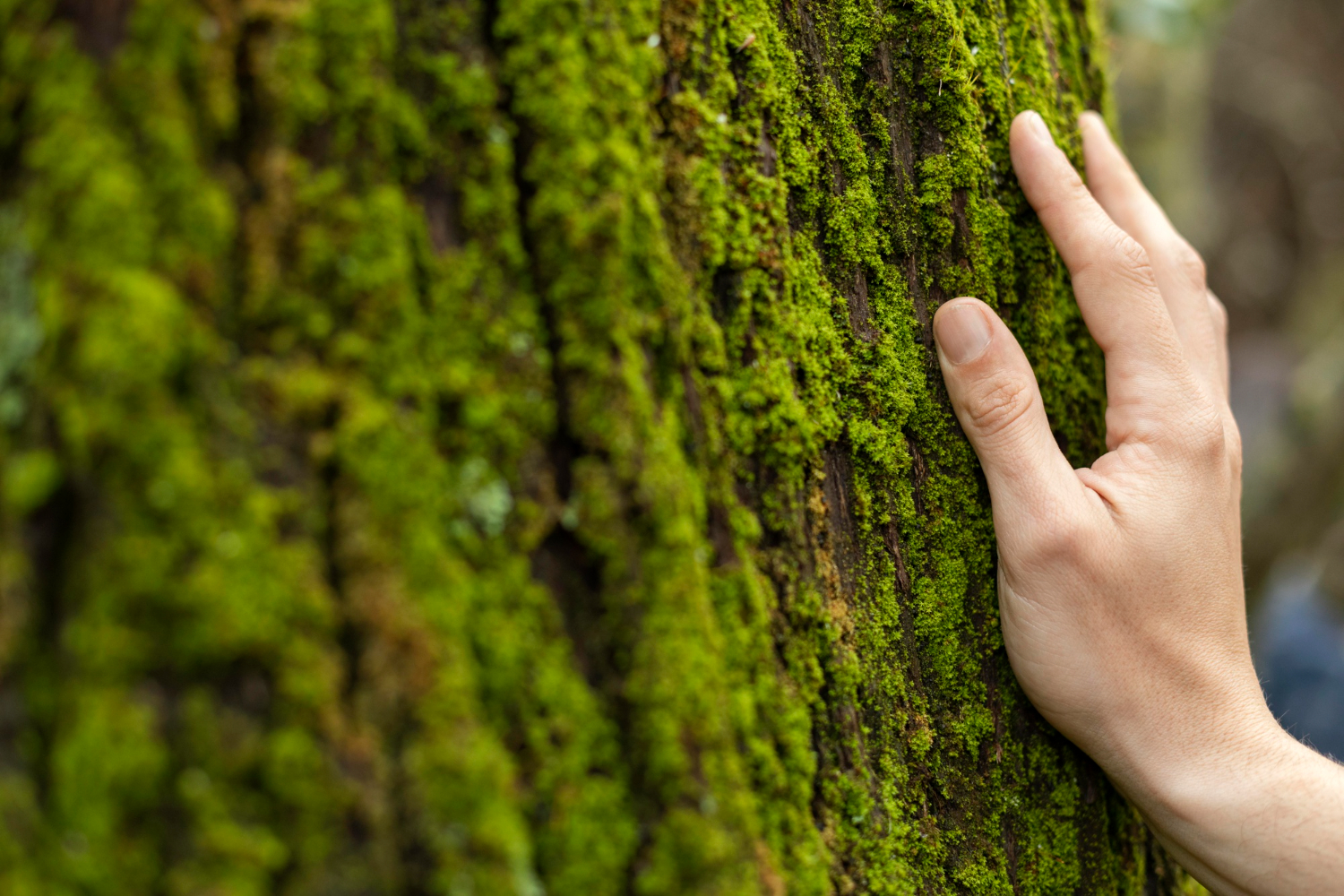
Leaves get most of the attention, but bark is where many serious problems first show. Healthy bark on common Sioux City trees usually has a consistent texture, color that fits the species, and natural, slow shedding on trees like sycamores or some maples. It should not have strong foul smells, wet-looking patches, or thick sticky ooze.
Pay close attention if you see:
Vertical cracks or splits after a big heat wave or storm
Oozing sap, dark streaks, or wet stains that do not dry
Loose, peeling bark that exposes bare wood underneath
Fungal mushrooms or conks at the base of the trunk
Sawdust-like frass at the base or in bark crevices
These signs can signal canker diseases, internal decay, or pests boring through the wood. Once the trunk is compromised, trimming branches will not repair the damage. In fact, aggressive pruning can stress the tree even more, shift weight and balance in a dangerous way, and speed up decline if the roots and trunk are already weak. Any tree with mushrooms on major roots or the lower trunk, or with large fresh cracks and splits, needs a professional risk assessment, not cosmetic shaping.
Canopy Shape, Deadwood, and What Trimming Can Fix
Step back from your yard and look at each tree as a whole. In summer, a healthy canopy should look fairly even and full, with green leaves from top to bottom. When the wind blows, most branches should move together, without big stiff sections that look “dead” or bare.
Watch for warning signs in the canopy:
Dead or leafless branches at the very top
One side of the tree that is thin or bare compared to the other
Sudden thinning where you can see straight through the tree
Big, heavy limbs stretching far over your roof, driveway, or play area
Dead or bare spots at the top or on only one side often point to a bigger underlying cause. That can include root damage on that side of the tree, lightning strikes or storm injury to one main limb, or disease that has followed a single major branch.
Here is where professional tree trimming in Sioux City often does help:
Removing deadwood before it falls in a storm
Reducing weight on overextended limbs
Cleaning out crossing or rubbing branches
Improving airflow so leaves dry faster after rain, which can limit some diseases
What trimming cannot do is cure deep decay, severe root failure, or major structural defects. In those cases, a mix of cabling, bracing, or, in some situations, removal may be the safer path. Cutting back branches without understanding the structure can give a false sense of security.
Summer Drought, Watering Mistakes, and Root-Level Damage
In our area, late spring and summer can swing from heavy rain to hot, dry stretches pretty fast. Many yards have compacted clay soil that holds water on the surface but stays dry deeper down. Trees might look fine one week and then show serious stress soon after.
Root and drought trouble often shows up as:
Wilted or drooping leaves first thing in the morning
Dieback starting at branch tips and moving inward
Sparse, short new growth that never really fills in
Entire sections of the tree lagging behind the rest
Sunken or cracked soil around the base of the trunk
Exposed or circling roots from old planting issues or past digging
When roots are struggling, heavy pruning can actually make things worse because the tree needs its leaves to make food. Removing too many at once lowers its energy just when it needs it most.
Instead of rushing to cut, trees with drought or root stress usually need:
Correct deep watering that reaches the root zone
A proper mulch ring to keep soil moisture more steady
Protection from soil compaction by cars, mowers, or foot traffic
Careful planning before any digging, trenching, or construction nearby
For big shade trees or trees already under stress, it is smart to get a professional opinion before making any major pruning decisions.
When to Call Sioux City Tree Co. Before It’s Too Late
Some warning signs call for quick expert help. Take a slow walk around your yard and use a simple checklist for each tree. If you see more than one of these on the same tree, it is time to be concerned:
Large dead limbs hanging over homes, driveways, or play areas
Mushrooms or conks on the trunk or around major roots
Significant bark cracking or fresh long splits
Sudden leaning or recent soil heaving on one side of the trunk
Heavy pest or disease activity on an important shade tree
Rapid thinning of the canopy compared to past summers
A five-minute check during summer can prevent big problems later. By reading the clues in your tree’s leaves, bark, and canopy, you can tell when simple trimming might help and when deeper issues are at work. At Sioux City Tree Co., we are here to inspect, diagnose, and provide safe, professional care so your trees stay strong before heat, storms, or drought turn small warning signs into real emergencies.
Protect Your Trees And Boost Curb Appeal Today
If your trees are looking overgrown, uneven, or too close to your home, we can help you get them back in shape safely and efficiently. Whether you need a one-time visit or ongoing care, our tree trimming in Sioux City services are tailored to your property and goals. Sioux City Tree Co. is ready to assess your trees and recommend exactly what they need. If you are ready to schedule or have questions about your trees, contact us today.

Home | Get a Quote | Privacy Policy | Contact | Blog
©2024 Sioux City Tree Co® - All rights reserved.
Created by Showcase 712