
Tree Blog
Our Blog
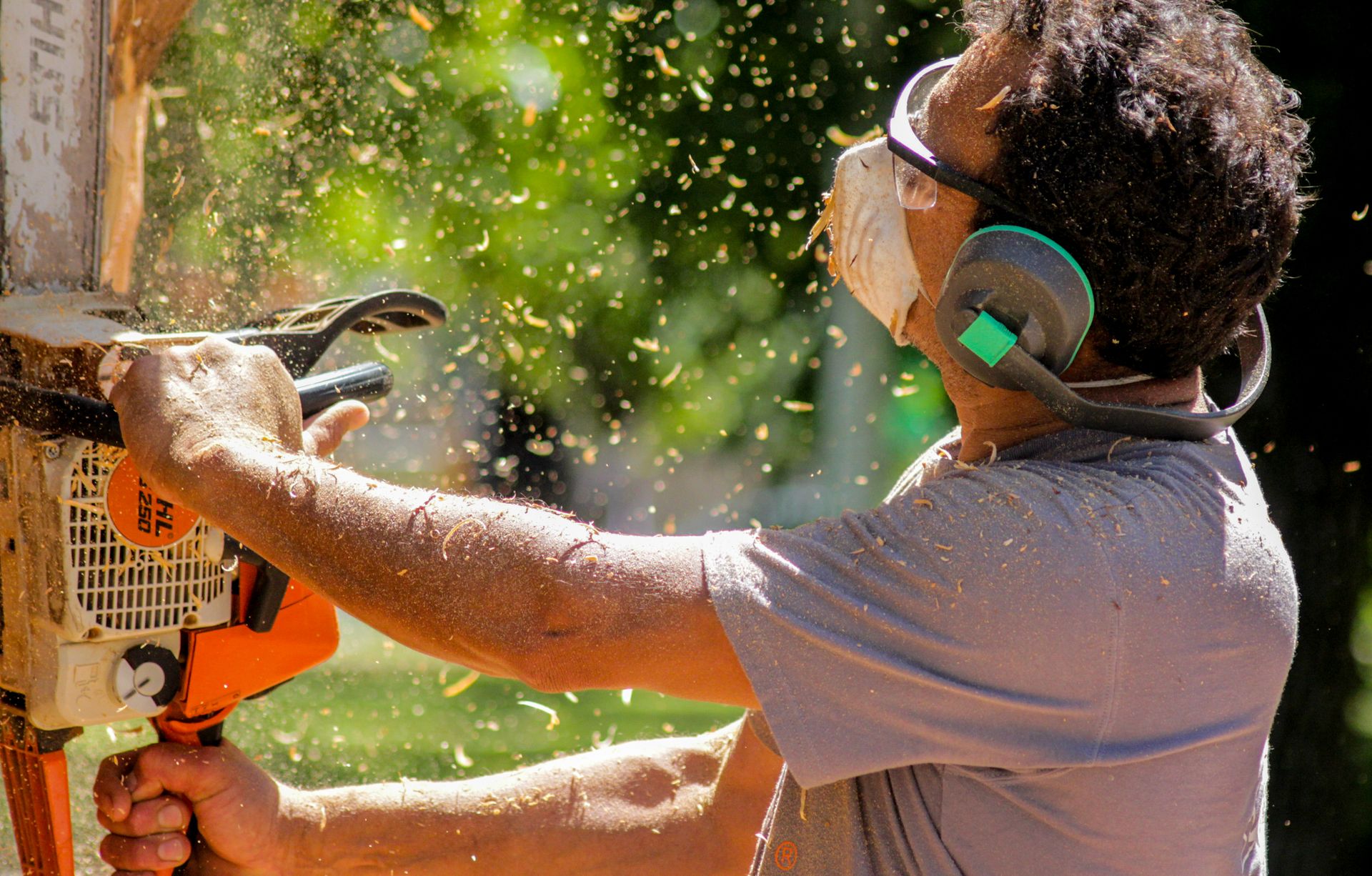
Tree Removal vs. Tree Saving in Sioux City: Costs, Timeline, Replanting
How to Decide If Your Sioux City Tree Should Stay or Go
A problem tree can make you feel stuck. You may like the shade and privacy, but you are worried about storm damage, roots, or constant mess in the yard. Many Sioux City homeowners feel torn between paying to remove a tree and putting money into saving it.
The choice is not only about what you like. Safety, property value, yard space, and long-term upkeep all play a big part. This is especially true before peak summer storms and busy landscaping projects. In this article, we will compare what it really means to remove a tree versus trying to save it, including total costs over time, expected timelines, what happens to the stump and branches, and smart replanting ideas for smaller yards.
Working with a professional tree service in Sioux City helps you avoid hidden risks, like unseen decay or root problems. With the right advice, you can protect your home and still have a yard that feels open, healthy, and welcoming.
Cost Comparison: Removing a Tree Versus Saving It
Tree removal and tree saving are both investments, but they work in different ways. Removal is usually a one-time project. Trying to save a tree often means a series of visits and checks over several seasons.
For full tree removal, the main cost drivers usually include:
Tree size and height, tall or wide trees take more time and crew power
Location, especially if the tree is close to a house, fence, shed, or power line
Access to the tree, tight backyards or steep slopes can need special equipment
Extra services, such as stump grinding and hauling away branches and logs
Saving a tree can seem cheaper at first, but it often spreads out across years. Common ongoing costs can include:
Health assessments to check for decay, disease, or pests
Periodic pruning to remove weak limbs and shape the canopy
Cabling or bracing to support heavy or split branches
Treatments for insects or fungus and follow-up visits to see if they worked
There are also hidden long-term costs to keeping a compromised tree. A weak tree may drop limbs on roofs or vehicles after high winds. Aggressive roots can lift sidewalks and damage small patios. Messy species can fill gutters and cover lawns with sticks and seeds, making yard work harder.
It is usually more cost-effective to remove a tree when:
There is severe decay in the trunk or major limbs
The tree is leaning toward the house or a busy driveway
Roots are already damaging foundations or hard surfaces in a small yard
On the other hand, saving may be the better value when:
The tree has a sound structure with only minor issues
Disease or pests are still at an early stage
The species is strong, well suited to the site, and worth keeping as a long-term shade or privacy tree
How Timelines Differ: Emergency, Planned, and Preventive Work
Not all tree work happens on the same schedule. The timeline looks very different if a storm just hit versus if you are planning ahead for yard updates.
Emergency tree service usually focuses on making the property safe as soon as possible. That might mean:
Clearing limbs off roofs, driveways, or vehicles
Cutting and moving dangerous branches that are hanging or cracked
Securing the area so people and pets can move around safely
Once the emergency is under control, stump grinding and full cleanup are often scheduled for a later date. This gives you time to decide if you want the stump gone right away, or if you want to wait and plan for a future project in that spot.
Planned tree removal is more methodical. It usually includes:
An on-site evaluation to look at health, lean, and risk
Getting on the work schedule, especially during busy summer and early fall months
Coordinating with utility companies if power lines are nearby
The actual removal day, including lowering limbs safely and cleaning up
Stump grinding shortly after, often during the same visit or soon after
Trying to save a tree is usually a longer process. You might see:
An initial diagnosis to figure out what is wrong
Treatments or pruning spaced through the growing season
Structural pruning every few years to keep the tree strong
Monitoring after heavy winds or ice to catch new problems early
Seasonal demand in mid and late summer can affect scheduling for both removal and care plans. Planning ahead with a trusted crew can shorten wait times and reduce stress, especially if you want work done before major storms or before a new patio, shed, or fence project.
What Really Happens After Removal: Stump Grinding and Disposal
Once a tree is down, you have choices about the stump. Leaving it tall, cutting it low, or grinding it out all change how you can use that space later.
Here is how the options compare:
Leaving a stump tall keeps it in the way for mowing and can be a safety issue
Cutting it low makes it less noticeable, but the roots and base are still there
Full stump grinding, a machine grinds the stump below ground level, usually deep enough to cover with soil and plant grass or a new tree nearby
Stump grinding breaks the wood into small chips, which mix with soil. For many homeowners, this makes it easier to:
Replant with a new tree, shrub, or garden bed in the area
Install a patio, play area, or simple lawn space
Avoid tripping hazards and damage to lawn equipment
Disposal is another big part of cleanup. A professional crew can:
Chip branches on-site for mulch
Haul away branches and logs if you do not want them
Cut larger wood into more manageable pieces
Clean up sawdust and small debris so the yard is ready for the next step
Leaving a stump in a small yard can cause problems over time. It can trip kids, catch mower blades, attract pests, and send up new shoots that need constant cutting. Removing it completely usually gives you more usable space and a cleaner look.
Stump grinding and debris removal are typically priced and scheduled as add-on services to removal. Doing them at the same time is usually more efficient than calling someone back later, and it helps you move to your next yard project faster.
Smart Replanting Choices for Small Sioux City Yards
Once an old tree is gone, the yard can feel wide open, sometimes too open. Careful replanting brings shade and beauty back without repeating past problems.
For small Sioux City yards, it helps to match new trees to local climate, soil, and tight spaces. Good options often include:
Ornamental flowering trees with smaller canopies
Narrow or columnar shade trees that grow up more than out
Native species with deep, less aggressive roots and manageable branches
When yard space is limited, we pay close attention to:
Mature height and spread, not just how the tree looks when young
Distance from foundations, fences, and sidewalks
Overhead wires and how the canopy will grow into that space
Timing and planting habits matter too. Many trees do well when planted in cooler seasons, but with the right care they can also succeed at other times. After stump grinding, the area may need a bit of soil prep before planting, since there will be wood chips in the ground. Basic tips include:
Giving the new tree enough space from the old stump spot
Keeping mulch a few inches away from the trunk
Watering deeply but not constantly during the first few years
A thoughtful pruning plan from the start helps your new tree stay safe and balanced as it grows. With steady care, you can enjoy shade and beauty without worrying about future damage or crowding in a small yard.
Your Next Steps for Safer, Healthier Trees in Sioux City
When you weigh removal against saving a tree, look at both safety and long-term value. Removal usually makes sense when there are serious structural defects, repeated limb failures, severe rot, or roots that are already damaging walks and driveways. A health plan might be a good choice when the tree is mostly sound, has only minor disease or pest issues, and is a strong match for the spot.
A professional on-site evaluation from a tree service in Sioux City can give you a clear picture of your options before you commit. With expert guidance, you can plan removal or restorative pruning, decide on stump grinding and debris handling, and choose replacement trees that fit smaller yards without overwhelming your space. Acting before the next stretch of strong storms helps protect your home and sets any new plantings up for long, healthy growth.
Get Started With Professional Tree Care Today
If your trees are overdue for maintenance or causing safety concerns, we are ready to help restore health and curb appeal to your property. Explore our full range of expert services with our tree service in Sioux City and see how Sioux City Tree Co. can handle everything from trimming to removals. Have specific questions or need a quick estimate? Reach out to us directly through our contact page so we can schedule a visit at a time that works for you.

Home | Get a Quote | Privacy Policy | Terms of Service | Contact | Blog
©2024 Sioux City Tree Co® - All rights reserved.
Created by Showcase 712