
Tree Blog
Our Blog
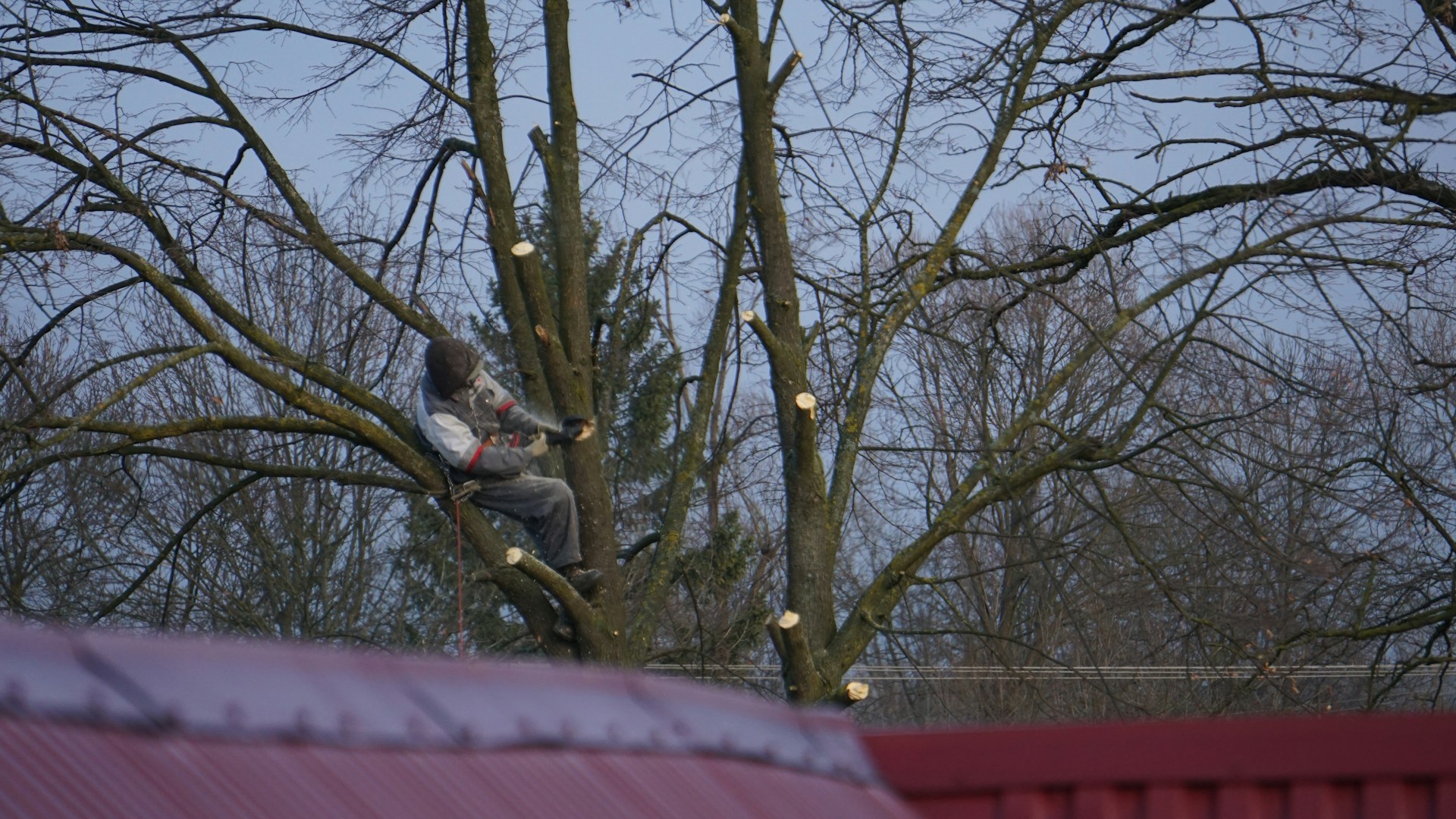
Understanding The Need for Arborists in Sioux City
Trees in Sioux City have to hold up against a lot over the winter months. Ice storms, strong winds, and heavy snow can wear them down, even if they look fine from a distance. As late winter starts to loosen its grip, it’s a good time to step outside and really look at what your trees have been through. Some bounce back, others don’t, and you won’t always notice trouble right away.
That’s where working with an arborist in Sioux City can help. We are trained to spot problems early, things that most homeowners miss, and take care of them before warmer weather brings more stress. If your trees have leaning trunks, snapped limbs, or just don’t seem to be coming back like they used to, it could be time for support. Below, we walk through what arborists do, what winter does to trees, and how planning in late winter can set your yard up better for spring.
What Is an Arborist and Why Does It Matter
An arborist is someone who studies trees and knows what helps them stay healthy long term. We do more than show up for a quick trim or a removal job. Instead, we are focused on health, structure, safety, and long-term growth.
• Arborists are trained to notice signs most people don’t, things like insect damage, root issues, or early signs of disease
• We can tell when a tree is stressed from weather, poor soil, or lack of nutrients
• Instead of just reacting to problems, we guide when and how to care for each tree
Winter stress in Sioux City can make some of these issues worse. For example, limbs that were already dead may fall during high winds. Or frost cracks in the trunk can grow when temperatures swing between freezing and warm. The signs do not always look urgent, but they build up over time. When these signs are caught early, it gives trees a better chance to recover before spring returns.
We provide certified tree inspections and health assessments year-round, ensuring a professional evaluates your property even after harsh winter conditions.
Common Tree Problems After a Long Sioux City Winter
When snow collects on trees for weeks or months, it’s more than just a pretty sight. That weight can strain branches and lead to cracks, especially in older trees or certain species that hold snow longer.
Some of the most common issues we see in Sioux City after winter are:
• Broken or hanging limbs left behind after snow or ice buildup
• Branches bent out of shape that never fully returned to position
• Bark that’s split open from freezing temperatures and sudden thaws
• Roots disturbed from shifting soil as frost comes and goes
• Slower-than-normal budding or lopsided trees tilting more each year
Even if none of these are off-the-charts urgent, they weaken a tree’s structure. Sometimes a tree that looks stable ends up falling during the first big spring storm. That’s why this end-of-winter window is a smart time to check them out closely.
When to Call for Help from an Arborist in Sioux City
Not every tree that looks rough after winter needs help. But there are times when waiting makes things worse. If you are seeing limbs that have split and never dropped, or mushrooms starting to grow at the base, both are signs to act sooner rather than later.
Here are some other red flags:
1. Trees leaning more than usual, especially if near driveways, sidewalks, or buildings
2. Cracks that run deep into the trunk or down larger limbs
3. Bark peeling in big strips or collecting strange growth along the bark
4. Dead limbs above walkways or rooftops that could fall without warning
Right now, late winter gives just enough time to check on problems before spring growth kicks in. Once buds come out and birds start nesting again, tree work gets more complicated. Planning ahead protects more than just the tree, it helps keep structures and people safe too.
We use state-of-the-art equipment and knowledge of local conditions to provide safe and precise pruning, trimming, and post-winter recovery for all types of trees.
How Arborists Help Trees Get Ready for Spring
This time of year is really about setting the tone for the coming season. Arborists aren’t just solving problems, we are helping trees get stronger before spring growth arrives. That might look like cutting back dead wood, shaping the canopy, or even improving airflow in crowded areas.
Here are a few things we may focus on heading into spring:
• Pruning limbs that didn’t make it through winter
• Adjusting structure to help prevent storm damage or breakage as winds pick back up
• Testing soil or checking roots for early signs of stress
• Cleaning up tree areas that may trap moisture and lead to mold growth
We take a big-picture look now before energy goes into new growth. That way, support can go to the right areas, and trees don’t waste it trying to heal what is already past recovery.
Start Spring With Healthier, Happier Trees
Winters in Sioux City can be tough, especially on older or stressed trees. But just because a tree had a hard season does not mean it is headed for removal. With the right care at the right time, many trees come back stronger by summer.
Entrusting your yard to our local team means your trees are evaluated with region-specific care and expertise. This approach helps your landscape stay healthier and last longer throughout every Midwest season.
Noticing your trees are not recovering well after winter or unsure which changes are normal? It may be time for a visit from an arborist in Sioux City to check for hidden damage, weak limbs, and signs of stress before bigger problems develop. Staying ahead of these issues keeps your yard looking its best and helps your trees grow strong into spring. Sioux City Tree Co. is ready to help your trees bounce back after a challenging winter. Reach out today to schedule your appointment.

Home | Get a Quote | Privacy Policy | Contact | Blog
©2024 Sioux City Tree Co® - All rights reserved.
Created by Showcase 712