
Tree Blog
Our Blog
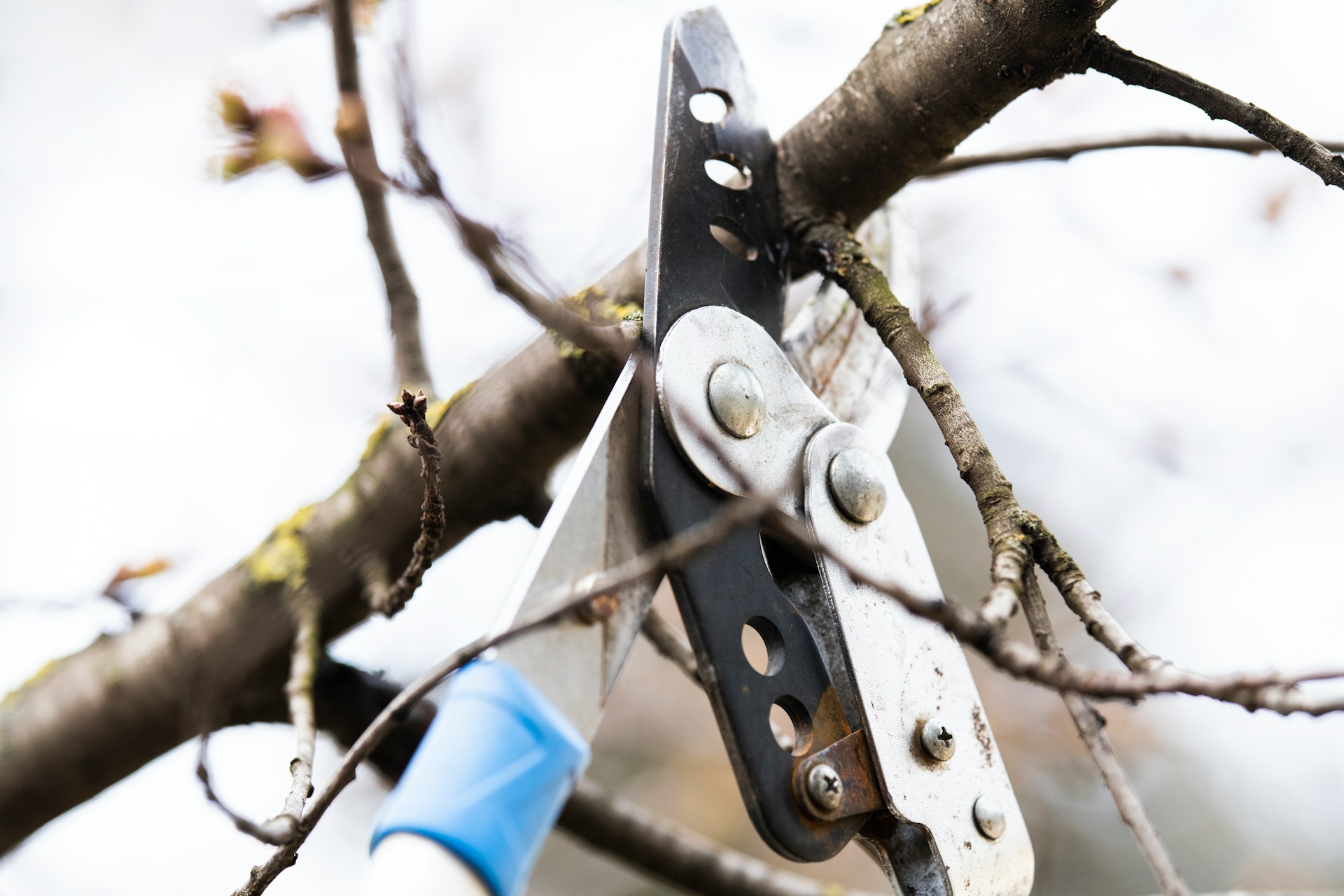
Common Tree Pruning Myths in Sioux City Home Yards
Prune Smarter: Protecting Your Sioux City Trees and Home
Proper tree pruning in Sioux City is about a lot more than looks. Good pruning helps trees stand up to strong summer storms, heavy snow, and ice, and it keeps weak limbs away from your roof, driveway, and sidewalks. It also supports tree health, which helps your yard look better and keeps property value strong.
Bad pruning, often based on common myths, can do the opposite. It can shorten a tree’s life, make branches more likely to fail in wind, and turn a manageable tree into one that has to be removed. Our goal here is to clear up some of the biggest pruning myths we see in Sioux City yards so you can make safer, smarter choices as the seasons change.
Myth: Trees Do Not Need Pruning Unless They Look Bad
Many people think pruning is just a “haircut” for trees, something you do only when a tree looks messy. In reality, pruning is more like preventive health care. It removes weak, crossing, or diseased branches before they cause bigger problems.
When you wait until a tree looks bad, you are often already dealing with:
Hidden decay inside major limbs
Branches rubbing and wounding each other
Pest activity inside dead or dying wood
Structural problems that started when the tree was young
By that point, fixing the tree can take much heavier cuts, and sometimes the only safe option is removal. In Sioux City, where we see strong thunderstorm winds, heavy rain, and winter ice, unpruned, overgrown trees are far more likely to drop limbs on roofs, cars, fences, and power lines.
For younger trees, an ISA style maintenance schedule that focuses on:
Training a strong central leader where appropriate
Removing low or weak branches early
Spacing main limbs around the trunk
can build a solid tree structure. That means less heavy pruning years later and a tree that handles local weather much better.
Myth: Topping Trees Makes Them Safer and Smaller
Topping is the practice of cutting big branches back to random stubs, usually to drop the height of a tree quickly. It is one of the most damaging things that can be done to a tree, yet it is still common in yards around Sioux City.
Here is what topping really does:
It forces a rush of thin, weak sprouts along the stubs
Those sprouts are poorly attached and break easily in wind
Large topping cuts expose big areas of wood to decay and insects
The tree puts energy into survival instead of steady, healthy growth
So instead of making the tree safer, topping usually makes it more dangerous over time. The fast new growth often gets taller than the original branches, but with weaker connections. Decay can move into the main trunk through the large topping wounds, and many topped trees end up dying earlier than they should.
There are much better options when a tree feels too large or too close to structures. We use methods like crown reduction and structural pruning, which:
Target specific limbs rather than lopping everything off at one height
Use smaller, well-placed cuts that the tree can better seal
Keep the natural form and balance of the tree
The result is improved safety and clearance without wrecking the tree or setting it up for future failures.
Myth: Summer Is the Worst Time for Tree Pruning in Sioux City
A lot of people have heard that you should only prune in late winter. While late winter can be a good time for many trees, it is not the only safe season. The right timing depends on the tree species, its health, and what you want the pruning to do.
Light to moderate summer pruning can actually be very helpful. It can:
Reduce weight at the ends of heavy limbs
Improve clearance over driveways, roofs, and sidewalks
Help correct damage from earlier storms
Allow us to see how the canopy behaves in full leaf
In the heat of August in Sioux City, we do pay close attention to tree stress from heat and dry conditions. We avoid over-thinning and take extra care with spring flowering trees, since heavy summer pruning can reduce blooms the following year.
Some work should not be delayed for the “perfect” season. Dead, broken, or clearly hazardous branches need attention as soon as possible, no matter the month. Leaving those in place through thunderstorm season or into winter ice can put people, pets, and property at risk.
Myth: Any Landscaper Can Handle Tree Pruning in Sioux City
There is a real difference between general yard care and professional tree work. Mowing, mulching, and planting flowers are not the same as understanding tree biology, how wood carries weight, and how cuts affect the long-term structure.
When homeowners hire unqualified crews for tree pruning, they often run into problems like:
Stub cuts, flush cuts, and other poor techniques
Hidden internal damage from climbing spikes or improper rigging
No liability insurance if something goes wrong
Limited knowledge of how local weather affects tree safety
Tree pruning in Sioux City needs to account for strong winds, snow loading, and local tree species. Knowing where a tree is likely to fail, how wide the root system may be, and how to reduce risk without over cutting takes specific training and experience.
At Sioux City Tree Co., our work focuses on balancing safety, health, and appearance for both homes and businesses. We use proper tools and methods designed for tree care, not just general landscaping, so pruning helps the tree instead of harming it.
Myth: Trees Heal Cuts Quickly No Matter How You Prune
Trees do not heal like people. They do not grow new skin over a cut in the same way. Instead, they compartmentalize, which means they seal off the damaged area and grow new wood around it to protect the rest of the tree.
This system only works well when cuts are made in the right place. Proper pruning cuts:
Are made just outside the branch collar
Follow the natural angle where branch and trunk meet
Are clean, without tearing the bark
Flush cuts that slice into the trunk, or long stubs left sticking out, both slow the sealing process. The exposed wood stays open longer, which invites decay, pests, and moisture problems. Over time, this can weaken a major limb or trunk and make it more likely to break in high winds or under ice.
Old advice often included painting pruning cuts with wound sealers. Modern tree science generally does not support that for most pruning. The sealers can trap moisture and create a better place for decay to start. Correct cut placement is almost always more helpful than any paint.
Poor wound closure is not just a cosmetic issue. On large shade trees common in Sioux City neighborhoods, repeated bad cuts can seriously affect long-term stability and safety.
Keep Your Yard Safe with Smart Tree Decisions
As you look ahead to changing seasons, it helps to take a slow walk around your yard. Pay special attention to:
Dead or hanging limbs
Branches that touch or lean over your roof or power lines
Limbs that cross and rub against each other
Trees that seem out of balance or heavily weighted on one side
Those are early warning signs that pruning may be needed to protect both your trees and your property. Professional eyes can spot structural issues, decay pockets, and hidden weaknesses that are easy to miss from the ground.
A thoughtful pruning plan based on each tree’s age, species, and location can reduce the chances of storm emergencies and help your trees stay strong for many years. For homeowners in and around Sioux City, Sioux City Tree Co. is here to provide that kind of careful, safety-focused tree pruning guidance and service.
Protect Your Trees’ Health And Beauty Today
If you are ready to improve the safety, appearance, and long-term health of your landscape, our team at Sioux City Tree Co. is here to help. Explore our professional tree pruning in Sioux City to find the right solution for your property. We will assess your trees, explain your best options, and schedule work at a time that fits your calendar. Have questions or need an estimate? Just contact us to get started.

(605) 690-5077 | siouxcitytreeco@gmail.com
3311 S Clinton St, Sioux City, IA
Home | Get a Quote | Privacy Policy | Terms of Service | Contact | Blog
© 2026 Sioux City Tree Co. - All rights reserved.
Created by Showcase 712