
Tree Blog
Our Blog
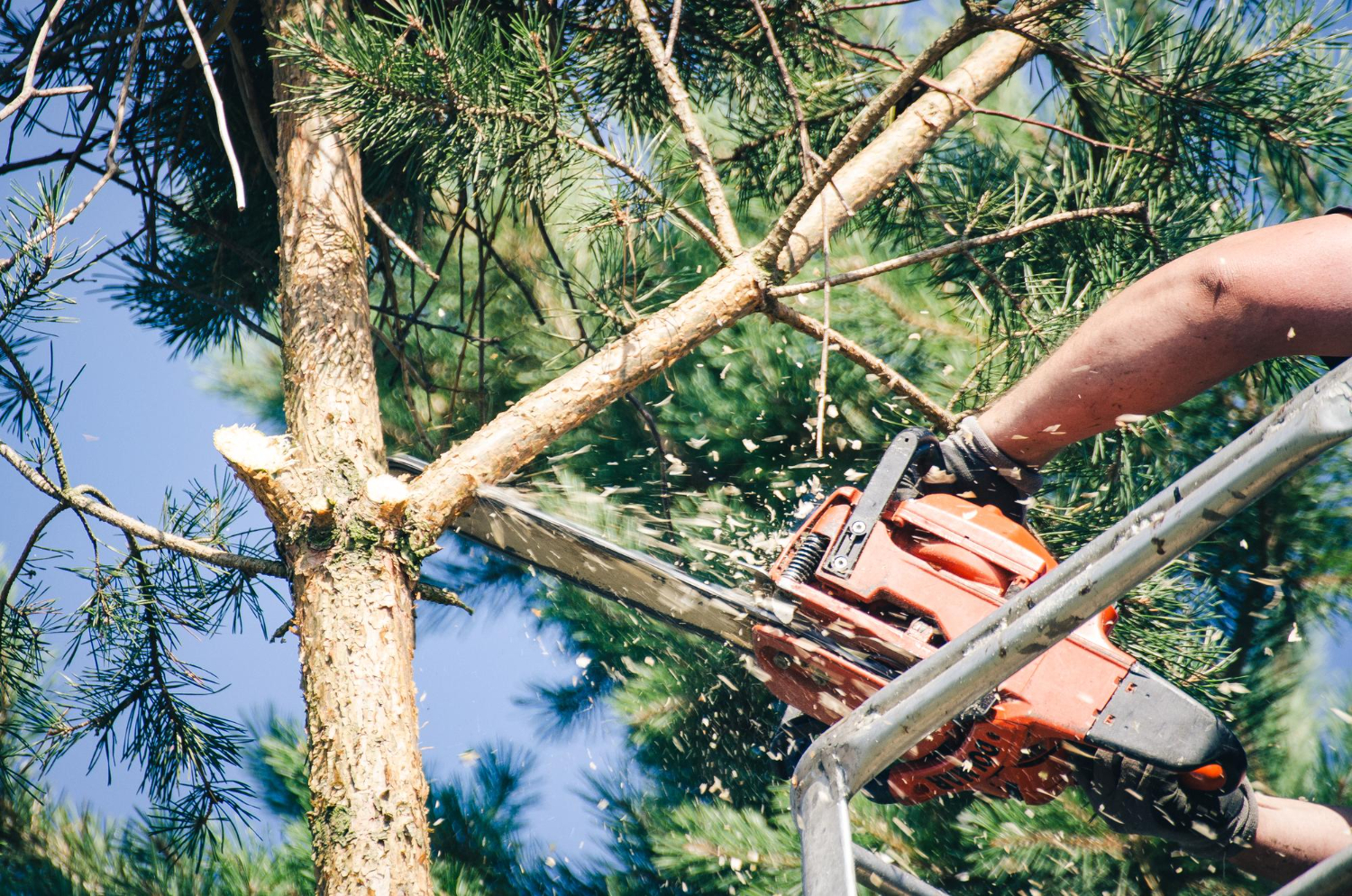
Mature Tree Pruning in Sioux City: Reduce Limb Failure and Extend Lifespan
Protect Your Mature Trees Before Spring Storm Season
Mature trees add shade, privacy, and beauty to a property, but they also carry a lot of weight and stress. As storms roll through Sioux City, heavy branches can break without much warning if the structure of the tree is weak. That is when you see large limbs on roofs, fences, or driveways. The goal is to lower that risk before the weather tests your trees.
In our area, trees go through freezing winters, thawing soil, strong winds, and wet snow or rain. All of that can push older limbs past their limits. Hidden cracks, weak branch unions, and internal decay often stay unnoticed until a big limb fails. With thoughtful structural pruning, support systems like cabling and bracing, and early decay detection, we can help mature trees handle storms better and live longer. Tree pruning in Sioux City is not just about how a tree looks. It is about safety, long-term health, and protecting the value of the property around it.
Why Mature Trees Fail More Often Than Young Trees
Young trees bend and sway easily. Mature trees still move in the wind, but their large limbs are much heavier and put a lot more force on each attachment point. This is especially true for common Sioux City species like:
Maples with long, spreading branches
Oaks with massive, heavy limbs
Elms with broad canopies
Ornamental pears that form tight branch angles
Cottonwoods that grow fast and large
Over decades, these limbs grow thicker and longer. The bigger they get, the more leverage they place on the trunk and on each branch union. Past damage can make this even worse. Old topping cuts, flush cuts, or over-thinning often leave weak growth and large wounds that never healed well. Those spots can later become the exact places where a limb breaks.
Storms and harsh weather in the Siouxland region also play a big role. Freeze-thaw cycles can open cracks. Saturated spring soils can reduce root grip just when winds pick up. High gusts push on big canopies like a sail. Trees that already have poor structure or hidden decay are the first to fail.
One more thing to know: green leaves do not always mean a safe tree. A branch can look full and healthy on the outside while the heartwood inside is decayed or cracked. That is why structural and decay inspections matter so much for older trees.
Structural Pruning Strategies to Reduce Limb Failure
Structural pruning for mature trees focuses on how the tree carries its weight and how branches are arranged, not just on clearing a view. The idea is to remove or shorten specific limbs to build a safer, stronger framework.
Key strategies include:
Thinning crowded canopies so wind can pass through more easily
Shortening long, overextended limbs to cut down on end weight
Reducing or subordinating competing leaders to keep one dominant trunk
Removing weak, crossing, or rubbing branches that can create wounds
By taking weight off high-risk limbs and improving branch spacing, we help the tree handle wind and snow with less stress. Cuts are placed in a way that directs growth back toward stronger parts of the tree, away from weak attachments.
Timing matters. In our climate, a common window for major structural pruning is late winter to early spring. At that point, the tree is still dormant, pests and disease pressure can be lower, and the tree is ready to start sealing over pruning wounds as growth begins again. Some species have special timing needs, which is why a tree-by-tree plan is important.
DIY pruning on big trees can be dangerous. Ladder-and-chainsaw work leads to many accidents. On top of safety concerns, improper cuts can:
Leave large, flat wounds that invite decay
Trigger weak sprout growth that breaks easily later
Unbalance the canopy and increase wind risk
A professional team will look at species, age, location on the property, past pruning history, and current defects before suggesting a structural pruning plan. That careful planning is what keeps large trees safer and healthier over the long term.
How Cabling, Bracing, and Decay Detection Protect Big Trees
Sometimes pruning alone is not enough. When a mature tree has valuable limbs or a form that you want to keep, support systems can help. Cabling and bracing are ways to give those weak spots backup strength.
We often recommend cabling or bracing when we see:
Co-dominant stems that form a tight V-shape
Long, heavy limbs reaching over roofs, driveways, or play areas
Older trees where removal would be a last resort
High-strength steel cables are usually installed high in the canopy between major limbs. They help share the load and limit how far those limbs move during high winds. Bracing uses threaded rods in the main trunk or at weak crotches to help keep a split from widening.
Before we add any support hardware, we want to know what is happening inside the wood. Decay detection starts with a careful visual inspection for:
Cavities and old wounds
Fungal growth or mushrooms at the base
Cracks along limbs or the trunk
We may sound the trunk or branches with a mallet to listen for hollow areas or probe soft spots to see how deep decay goes. In some cases, more advanced tools can help us understand the internal condition of the tree.
What we find guides the next steps. If decay is limited and the structure can be improved, targeted pruning, cabling, and monitoring might safely keep the tree in place. If decay or cracking is too far advanced, removal can be the only responsible option to protect people and property. In a weather-prone area like Sioux City, any tree with cables or braces should be checked on a regular basis so we can confirm the hardware is still sound and doing its job.
Seasonal Tree Pruning in Sioux City for Healthy Growth
Seasonal planning makes a big difference in how well mature trees respond to pruning and other work. For many species here, late winter into early spring is a smart time for bigger structural changes. The tree is not under summer heat stress yet, and it can start healing as soon as growth kicks in.
There are also species-specific points to think about:
Oaks should not be pruned in their peak growing season in many cases, to help lower oak wilt risk
Flowering ornamentals often do best with pruning right after they bloom
Some sensitive species respond better to lighter, more frequent pruning
A once-and-done approach rarely works for older trees. Regular checkups, either yearly or every couple of years, allow us to spot small cracks, deadwood, or new weak unions before they turn into breakage during a storm. Over time, this steady care helps mature trees stay strong well into their later decades.
Pruning fits best into a bigger tree care picture that also includes:
Mulching to protect roots and keep soil moisture steady
Avoiding heavy traffic and parking over root zones
Watching for early signs of stress, like dieback at branch tips or sudden leaf drop
When tree owners and tree professionals work together with this long view, mature trees in Sioux City can stay safer, steadier, and beautiful for many years.
Keep Your Trees Safer, Healthier, And Looking Their Best
If your trees are overgrown, crowding your roofline, or not looking their best, we can help. Whether you need expert tree pruning in Sioux City or advice on how to care for a problem tree, Sioux City Tree Co. is ready to step in. We focus on safe practices, clean work, and results that last. If you are ready to schedule service or have questions, contact us today.

Home | Get a Quote | Privacy Policy | Terms of Service | Contact | Blog
©2024 Sioux City Tree Co® - All rights reserved.
Created by Showcase 712