
Tree Blog
Our Blog
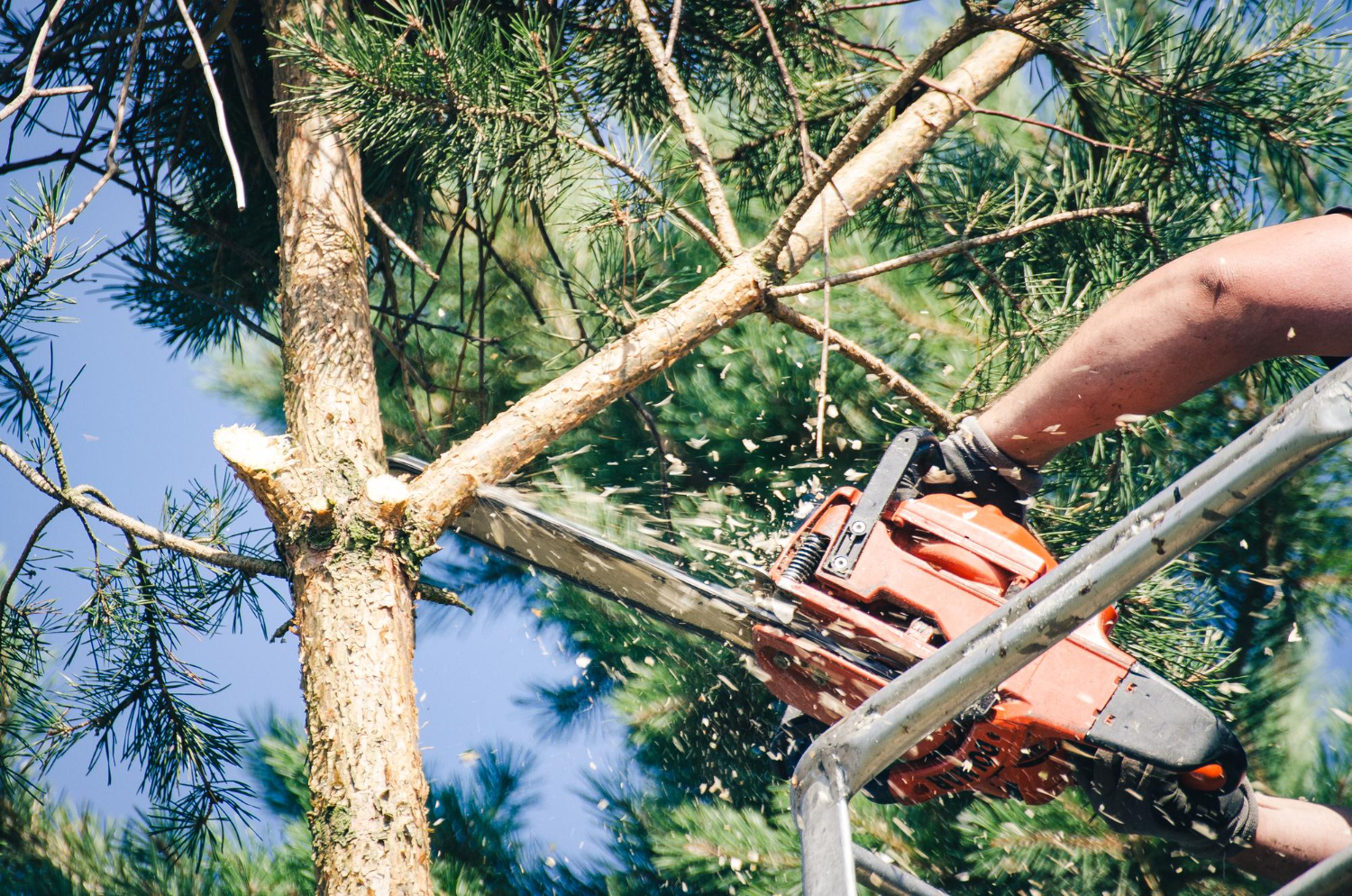
Why Timely Tree Limb Removal Matters in Fall
Fall in Sioux City brings a shift in the rhythm of the year. The heat tapers off, leaves begin their slow change, and trees start preparing for their dormant season. It's a good time to take a closer look at their structure. One task that often needs attention is tree limb removal. When done at the right moment in the fall, it helps trees stay safe, healthy, and better prepared for what comes next.
Timing plays a big role in how a tree responds after it’s trimmed. A clean cut in the early stages of fall allows time for healing before winter stress sets in. If we wait too long or act too soon, trees may struggle more than they need to. Being thoughtful about timing isn’t just about fixing what’s broken, it’s about helping trees move through the seasons in better shape.
How Fall Weather Supports Healthy Tree Recovery
Fall brings conditions that work in a tree’s favor when it comes to healing. After a hot, dry summer, the cooler nights and mild days provide a more stable environment for recovery. Trees are slowing down, not pushing out rapid new growth like they do in spring.
This is when we can shape and remove limbs in a way that doesn’t overload the tree. It’s still active enough to begin sealing over any cuts, but not so active that it uses all its energy trying to replace what was just removed.
Cool air and shorter days keep a tree from stressing after a cut
Healing begins before winter freezes slow internal functions
Fewer pests are active, which lowers the chance of infections getting into fresh wounds
By catching this window between growing and resting, we help the tree bounce back more smoothly.
Risks of Waiting Too Long to Remove Problem Limbs
When damaged or poorly placed limbs are left alone heading into winter, trouble tends to follow. Heavy snow, freezing rain, and gusty winds can make already weak limbs snap. If they’re hanging over sidewalks or driveways, that becomes a safety issue fast.
Letting a limb linger past the right trimming window doesn’t just put people at risk. It puts the whole tree under strain. Cracking branches can tear into the trunk, opening deeper wounds that are harder to heal.
Dead or cracked limbs may fall during snow, wind, or ice storms
Stressed branches are more likely to break without warning
Delayed removal can lead to bigger problems and more costly damage
Fall storms don’t give warning. Getting ahead of them gives trees a better shot at standing tall through it all.
Structural Benefits of Well-Timed Limb Removal
Trimming tree limbs in the fall isn’t only about removing what’s broken. It’s also about shaping what we want to keep. With the tree’s internal energy shifting into conservation mode, we get a cleaner response to changes. Rather than racing to fill empty spots with new growth, a tree will focus on strengthening what’s already there.
By removing crowded or poorly angled limbs now, we guide the direction of future growth. Trees shaped in fall tend to develop stronger central structures that are less prone to breaking down the road.
Trees build better shape when trimmed during their slowdown
Taking out weak limbs helps redirect energy to healthy branch systems
Thoughtful shaping gives trees more support heading into winter winds and snow
This approach helps trees stay stable without promoting too much new growth during the most fragile time of year.
Sioux City Tree Co. uses industry-standard fall trimming and removal methods, making careful cuts that promote tree health, safety, and strong growth for next season.
Signs It's Time to Trim Tree Limbs This Fall
Not every limb needs to go, but some stand out. Fall is a good time to look at your trees and ask a few simple questions. Is anything sagging lower than it used to? Are branches doubling back and rubbing against others? Any signs of heavy leaning or deep cracks?
If the answer is yes, those limbs are asking for attention. Even healthy-looking limbs can become dangerous if they’re positioned in the wrong spot once winter weight arrives.
Limbs that sag, lean, or rub other branches
Large limbs growing at odd angles or showing clear damage
Tree growth blocking walkways, windows, rooftops, or electrical lines
Spotting these early gives us time to act before stress builds up around them.
Why Tree Species and Local Patterns Matter
Not every tree in Sioux City responds to trimming the same way. Oaks and maples follow slightly different cycles than evergreens. That’s why local knowledge plays a big part in whether we move quickly or wait a few extra weeks.
Fall colors can help. Once leaves start changing but before they drop fully, we get a better picture of which limbs are stressed, which are thriving, and which may be dead altogether. This can guide when and where to trim.
We also watch things like rainfall and summer heat. A tree that’s been through drought may need extra time before it’s ready for cutting. One with too much wet soil could be stressed in different ways.
Different types of trees respond to pruning on different fall timelines
Local rains or dry spells shift when it's safe to trim
Watching color and leaf health helps guide decisions
Being tuned into what each tree needs, not just the calendar, makes a big difference in how they recover.
Giving Trees a Better Start for Spring Growth
Fall might feel like the end of a season, but for trees, it’s more like a reset button. When we take a thoughtful approach to tree limb removal now, we don’t just avoid winter damage. We also make it easier for trees to grow clean and strong when the weather warms up.
Removing the right limbs before dormancy reduces energy waste. When spring returns, trees can focus on growing upward and outward from a healthier base, not repairing what broke during the cold months. That means fewer surprises, fewer emergency trims, and fewer weak spots for the next storm season.
Trees that get this kind of attention in the fall often need less touch-up work later. They’re trained toward better structure, trimmed away from danger zones, and given space to grow with more balance.
Planning ahead like this doesn’t just protect property. It gives trees the best chance to thrive year after year with less stress and better strength.
Noticing damaged or risky limbs on your trees can be concerning, especially before heavy snow arrives. The fall season offers the ideal conditions for pruning without putting unnecessary stress on your trees. At Sioux City Tree Co., we carefully assess each tree and make thoughtful cuts to promote long-term health and strength. If you believe your trees could benefit from tree limb removal, reach out and let us schedule a visit to ensure your trees stay safe and beautiful all year long.

(605) 690-5077 | siouxcitytreeco@gmail.com
3311 S Clinton St, Sioux City, IA
Home | Get a Quote | Privacy Policy | Terms of Service | Contact | Blog
© 2026 Sioux City Tree Co. - All rights reserved.
Created by Showcase 712